


Low-cost, High-profit Products: Full Guide
FlowpalletAurora ShawSep. 23, 2026

📝We see lots of ideas, but many require a big investment. But I really wanna know what the best low-cost, high-margin business is? -reddit.com
Starting an online business doesn't have to involve a big upfront investment. Many successful e-commerce stores are built on products that cost only a few dollars to source but can be sold at much higher prices.
The secret lies in choosing low-cost, high-margin products—items that are affordable to buy, simple to ship, and valuable enough that customers are willing to pay more for them. Just follow us to master them~
What makes a product high-margin?
A high-margin product leaves plenty of room between your costs and your selling price. For example:
| Cost | Selling price | Gross profit | Margin |
|---|---|---|---|
| $3 | $18 | $15 | 83% |
| $8 | $39 | $31 | 79% |
| $15 | $69 | $54 | 78% |
High-margin products typically have a few key features in common:
Low production cost
These products are made from affordable materials or produced in large quantities, which keeps wholesale prices low.
High perceived value
Customers aren't just paying for the item itself—they're also paying for convenience, design, branding, or a solution to their needs.
Lightweight and easy to ship
Lower shipping costs help increase your profit margins, especially when selling internationally.
Low return rates
Products with minimal defects, simple sizing, or universal use are less likely to be returned or refunded.
Consistent demand
Items that sell throughout the year offer more stable and predictable revenue compared to seasonal products.

Best low-cost, high-margin product categories
Instead of chasing short-lived viral products, it's smarter to focus on low-cost, high-margin product categories below:
✨Beauty and personal care
Beauty products are highly profitable because customers tend to buy them repeatedly. Popular items include:
Makeup brushes, facial rollers, cosmetic organizers, eyelash curlers, travel-size containers, hair accessories, and reusable makeup remover pads.
These products are low-cost to source and can often be sold at 3 to 8 times their original price.

✨Home and kitchen accessories
Small home items are practical, affordable, and easy to sell on impulse. Examples include:
Drawer organizers, kitchen storage containers, spice labels, sink organizers, silicone cooking tools, cabinet hooks, and reusable food bags.
Customers often buy multiple items at once, which helps increase average order value.
✨Phone and tech accessories
People replace accessories more frequently than their devices, making this a consistent market. Top products include:
Phone stands, magnetic holders, cable organizers, laptop sleeves, webcam covers, charging docks, and screen cleaning kits.
Their lightweight nature also keeps shipping costs low.
✨Pet products
Pet owners are willing to spend on items that improve their pets' comfort and well-being. Popular options include:
Grooming gloves, pet water bottles, slow feeders, cat toys, travel bowls, collar accessories, and waste bag dispensers.
Many of these products lead to repeat purchases.
✨Fashion accessories
These items are inexpensive to produce but offer strong profit margins. Examples include:
Sunglasses, hair clips, tote bags, wallets, belts, scarves, and jewelry organizers.
Instead of competing only on price, focus on building collections around a clear style or target audience.
✨Office and stationery
With remote work and study on the rise, stylish stationery continues to perform well. Ideas include:
Planner stickers, gel pens, sticky notes, desk organizers, mouse pads, notebook accessories, and cable clips.
They are affordable and easy to bundle for higher sales.
✨Fitness and wellness
Demand for health-related products remains strong. Popular items include:
Resistance bands, massage balls, yoga straps, water bottle accessories, foam rollers, workout towels, and stretching tools.
Customers often buy related products together.
✨Baby products
Parents value quality and convenience, making this a stable niche. Examples include:
Silicone bibs, baby spoons, pacifier clips, bottle brushes, stroller hooks, diaper organizers, and teething toys.
Make sure products meet safety standards in your target market.
✨Eco-friendly products
Sustainability is increasingly influencing buying decisions. Trending products include:
Reusable shopping bags, stainless steel straws, bamboo toothbrushes, beeswax wraps, compostable kitchen items, reusable produce bags, and eco-friendly cleaning brushes.
Brands that highlight sustainable packaging often gain an advantage.
✨DIY and craft supplies
Creative hobbies continue to drive steady demand. Examples include:
Resin molds, vinyl sheets, paint brushes, crochet tools, scrapbooking materials, beads, and embroidery kits.
These products encourage repeat purchases since customers regularly need refills.

Remember to choose affordable, lightweight, and repeat-purchase items, which help maximize profits and ensure long-term sales stability.
Where to source low-cost, high-margin products
Choosing reliable suppliers plays a key role in product quality, shipping speed, and overall customer experience. Common products sourcing options include:
Chinese wholesale platforms
Manufacturers and wholesalers offer competitive pricing, especially for bulk orders or dropshipping.
Local suppliers
While usually more expensive, they provide faster delivery and easier communication.
Trade shows
These events let you connect directly with manufacturers, compare products, and negotiate better deals.
Private manufacturers
Once you find a winning product, working directly with a manufacturer can help increase your profit margins.
Flowpallet
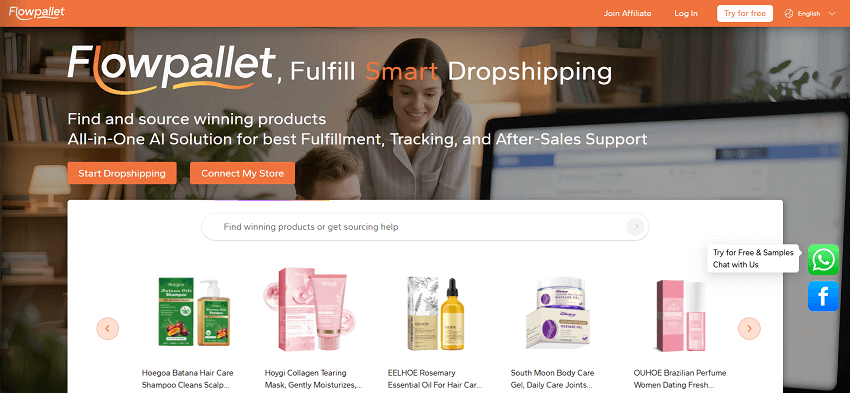
For a more streamlined approach, Flowpallet combines sourcing, supplier management, fulfillment, and logistics in one platform.
With Flowpallet, you can: Source products from verified manufacturers, customize branding and private labels, access print-on-demand dropshipping services, automate order fulfillment, and manage inventory, global shipping, and all data summary from a single dashboard.
This helps reduce operational complexity while improving efficiency as your business grows.
Tips to increase profit margins
Selecting the right product is just the first step - your strategy and operations also impact profitability.
- Bundle related products to increase average order value.
- Offer premium versions with added features or accessories.
- Negotiate better pricing as your order volume increases.
- Lower shipping costs by focusing on lightweight items.
- Improve product pages with high-quality images and clear descriptions to boost conversions.
- Encourage repeat purchases through email marketing and loyalty programs.
- Test different pricing strategies instead of competing only on price.
- Build a strong brand so customers value your store beyond just price comparisons.
Improving profit margins goes beyond product selection - it requires smart pricing, cost control, and strong branding. By increasing order value, optimizing operations, and encouraging repeat purchases, you can boost profitability without relying on price competition.
Final thoughts
The most profitable low-cost products aren't simply the cheapest - they're the ones that balance low sourcing costs, strong demand, and high perceived value.
Categories like beauty, home goods, tech accessories, pet supplies, fashion items, fitness products, and eco-friendly goods perform well because they meet everyday needs while staying affordable to produce and ship.
Before launching, make sure to validate demand, account for all costs, and partner with reliable suppliers. With the right product and efficient fulfillment, you can build a more profitable and sustainable e-commerce business.
