'/%3e%3cpath%20d='M59.9558%200H51.6287C51.6287%200%2045.5566%2034.1414%2045.7996%2039.9704C48.4659%20103.923%20122.41%2090.4886%20159.049%2075.7773L159.882%2071.6137C72.4464%20100.759%2053.2939%2059.9557%2054.1268%2039.9704C54.7163%2025.8265%2059.9558%200%2059.9558%200Z'%20fill='url(%23paint1_linear_658_5274)'/%3e%3cpath%20d='M180.7%2050.7959L180.845%2049.8037C184.282%2054.4129%20189.53%2057.458%20195.688%2057.458C206.726%2057.458%20217.339%2046.0121%20217.339%2034.9746C217.339%2023.9371%20211.722%2015.8223%20200.685%2015.8223C195.356%2015.8223%20189.544%2018.1027%20184.957%2021.7031L185.696%2016.6543H177.369L168.209%2075.7773H176.536L180.7%2050.7959ZM194.023%2049.9629C183.198%2049.1302%20183.198%2041.6353%20183.198%2037.4717C183.198%2028.3123%20190.455%2023.3157%20197.354%2023.3154C204.252%2023.3154%20208.18%2027.6155%20208.18%2034.9736C208.18%2044.1334%20200.922%2049.9627%20194.023%2049.9629Z'%20fill='%23FBFBFB'/%3e%3cpath%20d='M221.503%2050.7954C226.722%2063.8433%20244.819%2055.7917%20248.982%2050.7954C247.65%2056.7908%20255.088%2057.1796%20258.974%2056.6245L259.807%2049.1304C258.697%2049.1304%20256.476%2048.6308%20256.476%2046.6323C256.476%2044.1342%20260.451%2031.2297%20258.974%2025.814C253.978%207.49469%20228.164%2015.8221%20225.666%2024.9819L231.495%2028.312C242.32%2016.6545%20253.146%2024.9814%20249.815%2031.6431C239.823%2029.1449%20214.842%2034.1413%20221.503%2050.7954ZM248.982%2038.3052C250.648%2045.7997%20233.994%2056.6248%20229.83%2046.6323C227.054%2039.9706%20241.488%2037.4725%20248.982%2038.3052Z'%20fill='%23FBFBFB'/%3e%3cdefs%3e%3clinearGradient%20id='paint0_linear_658_5274'%20x1='333.92'%20y1='70.601'%20x2='188.194'%20y2='70.601'%20gradientUnits='userSpaceOnUse'%3e%3cstop%20stop-color='%23EB5455'/%3e%3cstop%20offset='0.0001'%20stop-color='%23EF733E'/%3e%3cstop%20offset='1'%20stop-color='%23FFD461'/%3e%3c/linearGradient%3e%3clinearGradient%20id='paint1_linear_658_5274'%20x1='139.897'%20y1='83.2717'%20x2='53.2939'%20y2='3.33085'%20gradientUnits='userSpaceOnUse'%3e%3cstop%20stop-color='%23FFD461'/%3e%3cstop%20offset='0.9999'%20stop-color='%23EF733E'/%3e%3c/linearGradient%3e%3c/defs%3e%3c/svg%3e)


Advantages and Disadvantages of Dropshipping [Summary]
FlowpalletAurora ShawJun. 12, 2026

Dropshipping has become one of the most talked-about e-commerce business models over the past decade. The idea is simple: you sell products online without holding inventory, and your dropshipping supplier ships orders directly to your customers.
This low-barrier setup has attracted beginners, side hustlers, and even established sellers looking to test new products quickly. However, dropshipping is not a guaranteed path to success. Like any business model, it comes with both clear advantages and real limitations.
Understanding the pros and cons of dropshipping is essential before deciding whether it fits your goals, budget, and long-term plans.
Part 1: Pros of dropshipping
Dropshipping is a low-risk, beginner-friendly way to start an online store. Since you don't buy or store inventory, you can focus on marketing and finding customers. This makes it a flexible and scalable way to build a business.
🙂Low startup costs
One of the biggest advantages of dropshipping is the low upfront investment. You don't need to buy inventory in advance or rent warehouse space. This makes dropshipping accessible to beginners who want to start an online business with minimal financial risk.
🙂Easy to start and flexible
One of the biggest perks of dropshipping is how simple it is to get going. You can set up shop, add products, and test the market faster than with a traditional online store. Products can be added or removed without worrying about unsold stock.
🙂Endless product options
Without the limits of a warehouse, you have the freedom to explore different niches and test all kinds of items from your dropshipping supplier. This makes it easier to jump on trends and adjust to what your customers are looking for - listen to your gut and adapt quickly.
🙂True location freedom
Run your store from anywhere with Wi-Fi. That makes dropshipping a great fit for digital nomads, remote workers, or anyone who doesn't want to be tied to one place.
🙂Effortless scaling
Growth doesn't have to mean more headaches. Because the supplier does the heavy lifting with fulfillment, you can handle more orders without needing extra space or a bigger team. Set up smart systems early, and scaling becomes much smoother.
Part 2: Cons of dropshipping
Dropshipping is simple to begin, but it brings significant challenges. Limited supplier control, small margins, and fulfillment problems can damage the customer experience and limit growth in a competitive market.
😟Slim profits
Because it's easy to start, popular product categories get crowded fast. When everyone is selling the same thing, the main way to compete is on price, which eats into your profits.
😟The hands-off hassle
Your customer's experience is in someone else's hands. How fast an item ships, what the package looks like, and whether it's even in stock depend entirely on your supplier. If they drop the ball, your reputation takes the hit, even though it wasn't your fault.
😟Unpredictable suppliers
Inconsistent inventory levels and communication problems are common challenges, particularly when relying on open marketplaces like AliExpress.
😟Weak branding opportunities
When your customer receives a package with another company's logo on it, you miss a key chance to make an impression. This generic experience makes it much harder to turn a one-time buyer into a loyal customer. (But some dropshipping platforms can do POD)
😟You're the middleman for problems
Even though you don't ship the products, you're still the one dealing with all customer questions, complaints, and returns. This juggling act between your customer and your supplier can become overwhelming as you get more orders.
Part 3: Key factors that affect dropshipping success
Dropshipping has its challenges, but you can work around most of them with the right strategy. Success comes down to a few key things:
(1) Finding good suppliers: Your foundation is a reliable dropshipping partner who won't run out of stock or surprise you with shipping delays.
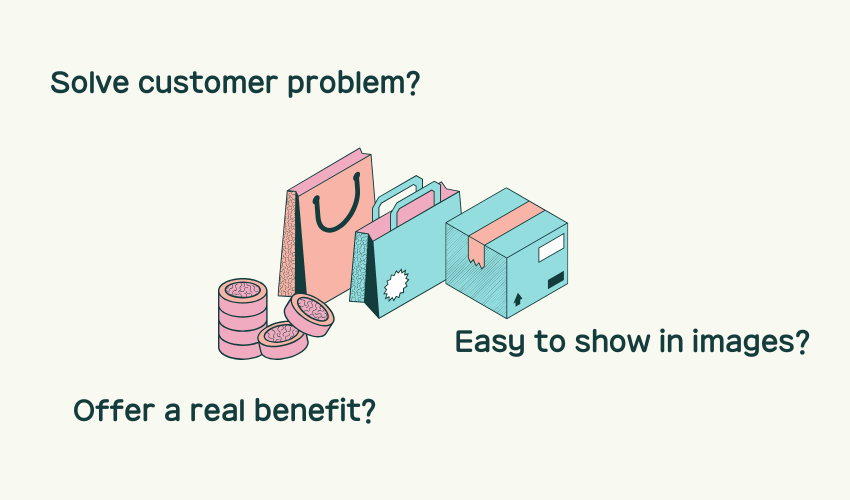
(2) Choosing the right products: Sell something unique, or that solves a specific problem, not just another common item, where you can only compete on price.
(3) Getting items there fast: Customers expect speed. Consistent, predictable shipping keeps them happy.
(4) Creating your own brand: Go beyond the generic experience with custom packaging and direct communication to build real customer loyalty.
(5) Using the right tools: You need more than basic automation—systems and support that actually help you scale.
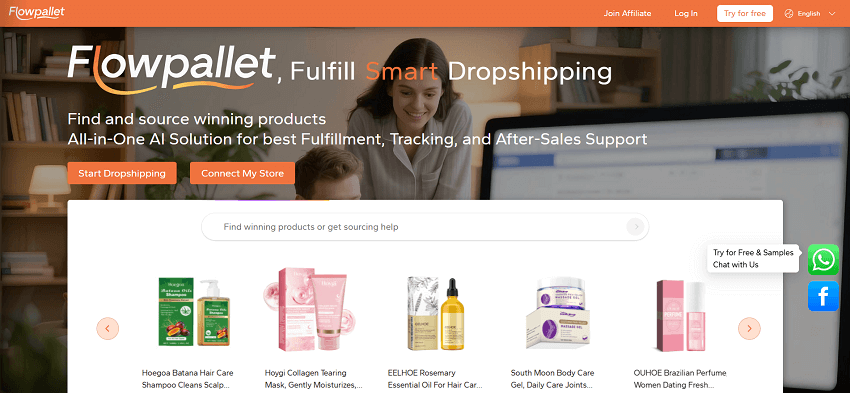
This is where solutions like Flowpallet become relevant. Instead of relying purely on marketplace suppliers, Flowpallet supports sellers with product sourcing, automated fulfillment, branding options, and bulk purchase & wholesale, helping address some of the most common dropshipping pain points.
Part 4: Conclusion
Dropshipping remains a viable e-commerce model, especially for sellers who understand both the advantages and disadvantages of dropshipping. While low startup costs and flexibility make dropshipping appealing, long-term success depends on supplier reliability, fulfillment speed, and customer experience.
By improving sourcing quality and working with more stable fulfillment solutions like Flowpallet, sellers can overcome many common dropshipping challenges and build a more sustainable business.
