'/%3e%3cpath%20d='M59.9558%200H51.6287C51.6287%200%2045.5566%2034.1414%2045.7996%2039.9704C48.4659%20103.923%20122.41%2090.4886%20159.049%2075.7773L159.882%2071.6137C72.4464%20100.759%2053.2939%2059.9557%2054.1268%2039.9704C54.7163%2025.8265%2059.9558%200%2059.9558%200Z'%20fill='url(%23paint1_linear_658_5274)'/%3e%3cpath%20d='M180.7%2050.7959L180.845%2049.8037C184.282%2054.4129%20189.53%2057.458%20195.688%2057.458C206.726%2057.458%20217.339%2046.0121%20217.339%2034.9746C217.339%2023.9371%20211.722%2015.8223%20200.685%2015.8223C195.356%2015.8223%20189.544%2018.1027%20184.957%2021.7031L185.696%2016.6543H177.369L168.209%2075.7773H176.536L180.7%2050.7959ZM194.023%2049.9629C183.198%2049.1302%20183.198%2041.6353%20183.198%2037.4717C183.198%2028.3123%20190.455%2023.3157%20197.354%2023.3154C204.252%2023.3154%20208.18%2027.6155%20208.18%2034.9736C208.18%2044.1334%20200.922%2049.9627%20194.023%2049.9629Z'%20fill='%23FBFBFB'/%3e%3cpath%20d='M221.503%2050.7954C226.722%2063.8433%20244.819%2055.7917%20248.982%2050.7954C247.65%2056.7908%20255.088%2057.1796%20258.974%2056.6245L259.807%2049.1304C258.697%2049.1304%20256.476%2048.6308%20256.476%2046.6323C256.476%2044.1342%20260.451%2031.2297%20258.974%2025.814C253.978%207.49469%20228.164%2015.8221%20225.666%2024.9819L231.495%2028.312C242.32%2016.6545%20253.146%2024.9814%20249.815%2031.6431C239.823%2029.1449%20214.842%2034.1413%20221.503%2050.7954ZM248.982%2038.3052C250.648%2045.7997%20233.994%2056.6248%20229.83%2046.6323C227.054%2039.9706%20241.488%2037.4725%20248.982%2038.3052Z'%20fill='%23FBFBFB'/%3e%3cdefs%3e%3clinearGradient%20id='paint0_linear_658_5274'%20x1='333.92'%20y1='70.601'%20x2='188.194'%20y2='70.601'%20gradientUnits='userSpaceOnUse'%3e%3cstop%20stop-color='%23EB5455'/%3e%3cstop%20offset='0.0001'%20stop-color='%23EF733E'/%3e%3cstop%20offset='1'%20stop-color='%23FFD461'/%3e%3c/linearGradient%3e%3clinearGradient%20id='paint1_linear_658_5274'%20x1='139.897'%20y1='83.2717'%20x2='53.2939'%20y2='3.33085'%20gradientUnits='userSpaceOnUse'%3e%3cstop%20stop-color='%23FFD461'/%3e%3cstop%20offset='0.9999'%20stop-color='%23EF733E'/%3e%3c/linearGradient%3e%3c/defs%3e%3c/svg%3e)


What is Sourcing: Pros, Cons, and Types
FlowpalletAurora ShawJul. 23, 2026

Whether you're starting an e-commerce store, managing a manufacturing operation, or building a dropshipping brand, you'll frequently come across the term “sourcing.”
So, what does sourcing actually mean?
In simple terms, sourcing is the process of finding and selecting suppliers that can provide the products or materials your business needs. Effective sourcing helps reduce costs, improve product quality, and create a more dependable supply chain. Poor sourcing, however, can result in delays, dissatisfied customers, and lower profits.
In this guide, we'll break down what sourcing means in detail.
What is sourcing?
Sourcing is the process of finding, assessing, and choosing suppliers that can provide the products, materials, or services your business needs.
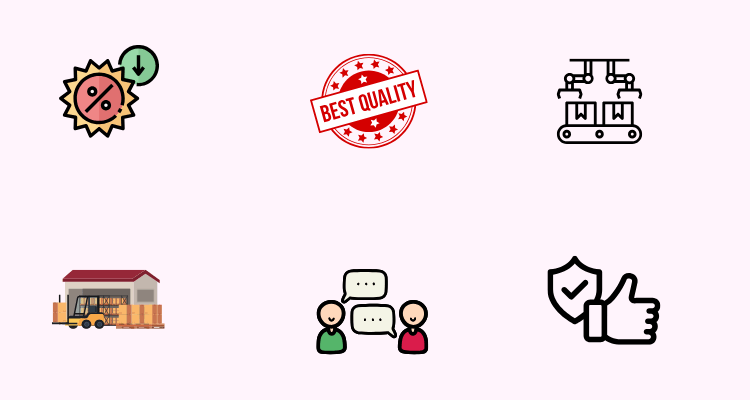
The goal isn't just to find the lowest price. Strong product sourcing is about working with suppliers who offer the right balance of:
- - Competitive pricing
- - Consistent product quality
- - Reliable production capacity
- - Fast and dependable delivery
- - Clear and responsive communication
- - Long-term reliability
For example, if you run an online home décor store, sourcing means identifying manufacturers or wholesalers who can consistently supply your products while meeting your quality expectations and shipping timelines.
Sourcing vs. Procurement vs. Purchasing
These terms are often used interchangeably, but they refer to different stages of the buying process.
| Term | Meaning |
|---|---|
| Sourcing | Finding and selecting suppliers |
| Procurement | Managing the entire purchasing process, including contracts and supplier relationships |
| Purchasing | Buying products or materials from approved suppliers |
Think of sourcing as the first step in building a successful supply chain.
Types and processes of sourcing
Different businesses adopt different sourcing approaches based on their products, budget, and stage of growth.
Common types of sourcing
Domestic sourcing
This involves purchasing products from suppliers within your own country.
- Pros: Faster delivery times; Easier communication; Fewer regulatory challenges
- Cons: Higher production costs
International sourcing
Businesses source products from overseas suppliers to reduce costs or access a wider variety of goods.
Common sourcing locations include: China, Vietnam, India, Turkey, Mexico…
Wholesale sourcing
Retailers buy products in bulk from wholesalers and resell them for profit. This approach is widely used by e-commerce stores that manage their own inventory.
Manufacturer sourcing
Businesses work directly with factories to produce goods. This often results in lower per-unit costs and more customization options, but usually requires higher minimum order quantities (MOQs).
Dropshipping sourcing
Instead of stocking inventory, sellers partner with suppliers who ship products directly to customers after each order. This model lowers upfront investment and allows for a broader product range.
The sourcing process
While details may vary, most sourcing workflows follow a similar structure:
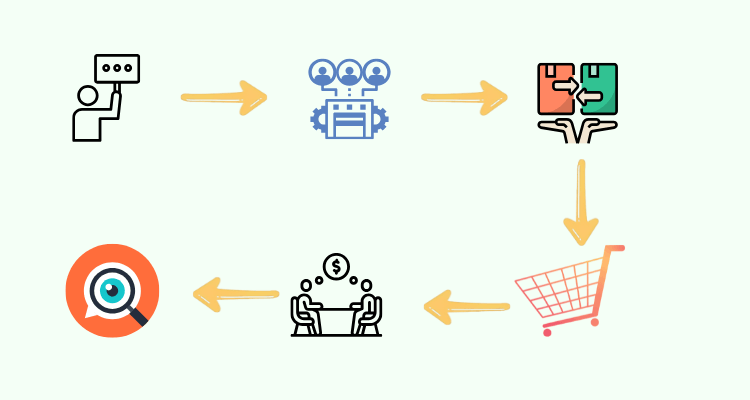
1️⃣Define your product requirements
Clearly outline what you need, including product specifications, materials, quality standards, target pricing, and packaging requirements.
2️⃣Find potential suppliers
Look for suppliers through directories, trade shows, manufacturer websites, sourcing platforms, and referrals.
3️⃣Compare suppliers
Assess each supplier based on pricing, product quality, production capacity, certifications, customer feedback, and communication responsiveness.
4️⃣Request samples
Always review samples before committing. Testing helps confirm product quality before placing larger orders.
5️⃣Negotiate terms
Discuss key details such as pricing, minimum order quantities, payment terms, production timelines, and shipping methods.
6️⃣Monitor quality and delivery
After selecting a supplier, continue tracking product quality and delivery performance to ensure consistency over time.
Sourcing tools and platforms
Today's businesses have access to many online tools that simplify supplier discovery and product sourcing. Some of the most popular platforms include:
| Platform | Best For |
|---|---|
| Alibaba | Global manufacturers and wholesale suppliers |
| 1688 | Low-cost Chinese domestic suppliers |
| Made-in-China | Manufacturers across multiple industries |
| Global Sources | Verified export suppliers |
| Thomasnet | North American manufacturers |
| IndiaMART | Indian suppliers and wholesalers |
Simplify product sourcing with Flowpallet
Finding suppliers is only one part of sourcing. Managing quality, fulfillment, shipping, and supplier communication can quickly become time-consuming as your business grows.
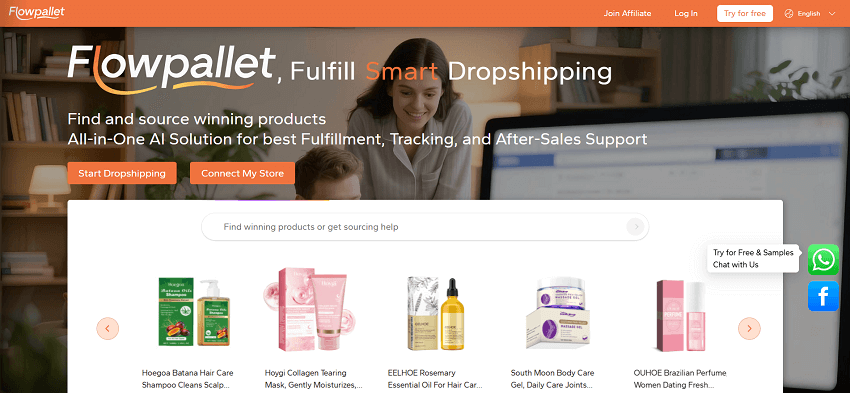
Flowpallet helps simplify this process by offering an all-in-one sourcing solution for e-commerce and dropshipping businesses.
With Flowpallet, you can:
- Source products from verified suppliers
- Request customized products and private labeling
- Consolidate orders from multiple suppliers
- Access quality inspection services
- Automate order fulfillment
- Ship products to customers worldwide
Instead of coordinating with multiple factories and logistics providers on your own, Flowpallet brings these services together in one platform, making sourcing more efficient and scalable.
Best practices for successful sourcing
Whether you're sourcing your first product or managing a large catalog, following a few key practices can significantly improve your results.
Work with reliable, verified suppliers
Take time to evaluate suppliers before placing orders. Review their track record, certifications, customer feedback, and how quickly they communicate.
Always request samples
Never skip this step. Samples allow you to check product quality firsthand before committing to bulk orders.
Compare multiple suppliers
Don't settle for the first option you find. Comparing several suppliers often helps you secure better pricing, quality, and service.
Build long-term relationships
Developing strong partnerships with suppliers can lead to better pricing, faster turnaround times, and more consistent reliability.
Diversify your supply chain
Depending on a single supplier can be risky. Having backup suppliers helps reduce disruptions and keeps your business running smoothly.
Regularly review supplier performance
Continuously monitor product quality, delivery times, and customer feedback to ensure your suppliers are meeting your standards.
Conclusion
Sourcing is more than just purchasing products - it's about building reliable partnerships that align with your business goals.
Whether you're launching a new ecommerce store or scaling an existing one, investing in effective sourcing is a smart long-term move. Tools like Flowpallet can further streamline supplier management, fulfillment, and logistics, so you can spend less time on operations and more time growing your business.
