


What Are High Ticket Sales & How to Get Started?
FlowpalletAurora ShawOct. 25, 2026

Not every sale brings the same value to a business. Some companies focus on selling huge quantities of inexpensive goods, while others choose to make fewer sales but with much higher price points. This latter strategy is called high-ticket sales, and it's growing more and more popular among entrepreneurs, freelancers, and online business owners.
Whether you offer high-end services, software, or carefully selected products, high-ticket sales let you scale your business in a different way: you work with fewer clients, but each sale generates far more revenue.
What actually are high-ticket sales, and why is everyone online obsessing over this term lately? -reddit.com
In this guide, we'll explain exactly what high-ticket sales are, how they function, and how you can start using this model for your own business.
What is high ticket sales & what are the types?
What is high ticket sales? High ticket sales refer to selling products or services that come with a relatively high price point, typically ranging from $500 to $10,000 or more.
Unlike low-cost items that rely on impulse purchases, high-ticket offers usually require:
- More consideration from the buyer
- A longer decision-making process
- Strong trust between seller and customer
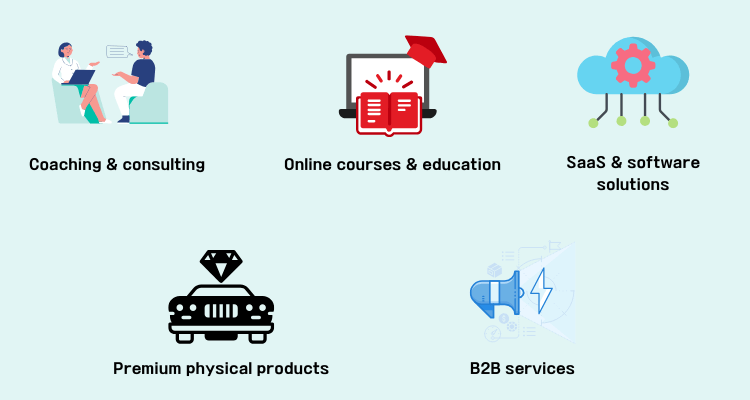
At its core, high ticket sales are less about volume and more about value and positioning. It often includes:
1. Coaching & consulting
Business coaching, career consulting, or marketing strategy services often charge premium fees due to personalized value.
2. Online courses & education
Advanced programs, certifications, or mentorship-based courses can command high prices, especially when they promise clear outcomes.
3. SaaS & software solutions
Enterprise tools or subscription platforms designed for businesses often fall into the high-ticket category.
4. Premium physical products
Luxury goods, custom products, or bundled offerings with high perceived value.
5. B2B services
Services like branding, web development, or supply chain solutions can easily become high-ticket due to their impact on business growth.
How high ticket sales work
Compared to cheaper, low-value sales, high-ticket sales offers typically follow a much more intentional process:
- Lead Generation: You find potential buyers through content, paid ads, referrals, or direct outreach.
- Qualification: Not every interested person is the right fit. You filter for people who actually need your offer and can afford it.
- Sales call or consultation: High-ticket sales rarely happen on a simple checkout page. They usually involve a call or conversation to learn what your client really needs and struggles with.
- Value presentation: You don't just sell a product — you show how it solves a real problem. You emphasize the results, return on investment, and long-term value.
- Closing & follow-up: Closing the sale often takes more than one conversation. Consistent follow-up helps build trust and gets the deal done.
This model is also changing how e-commerce works. For instance, if you run a high-value dropshipping store, tools like Flowpallet simplify product sourcing, product import and editing, and order processing and fulfillment. That lets you spend less time on busywork and more time on your brand positioning and customer experience.
High ticket sales VS low ticket sales
The main difference between high ticket sales and low ticket sales comes down to price, volume, and strategy:
| Aspect | High ticket sales | Low ticket sales |
|---|---|---|
| Price per product | High ($500-$10,000+) | Low (usually under $100) |
| Sales volume | Low volume, fewer customers needed | High volume required |
| Sales approach | Relationship-driven (calls, consultations) | Transactional (ads, checkout pages) |
| Best for | Premium services, SaaS, high-end products | Trendy products, mass-market ecommerce |
Neither model is inherently better. Low ticket works well for viral products and quick conversions, while high ticket is ideal if you want higher margins and more predictable revenue with fewer transactions.
How to get started with high-ticket sales
If you are new to high-ticket sales, the key is to start simple and build gradually:
1. Choose the right niche
Focus on markets where customers already spend money—business services, education, or premium products.
2. Create or source a high-value offer
Your offer should solve a clear problem or deliver a strong transformation.
3. Build authority
Content, testimonials, and case studies help establish credibility.
4. Set up a simple funnel
Instead of pushing direct purchases, guide users toward a call, demo, or consultation.
5. Optimize your backend
If you're in ecommerce or dropshipping, efficient operations matter. Using platforms like Flowpallet can simplify product sourcing and fulfillment, making it easier to manage higher-value orders without friction.
6. Practice sales conversations
High-ticket sales are a skill. The more conversations you have, the better you'll get.
Getting started with high-ticket sales doesn't have to be complicated. With the right foundation - and tools to streamline your operations - you can gradually build a high-ticket model that's both profitable and sustainable.
Final thoughts
High ticket sales aren't about charging more for the sake of it—it's about delivering more value and positioning your offer correctly. While it requires stronger skills and patience, the upside is clear: higher margins, better customers, and a more sustainable business model.
If you're willing to invest in learning and refining your approach, high-ticket sales can be one of the most effective ways to grow online.
