


Dropsipping Risks: Is It Still Worth the Risks?
FlowpalletAurora ShawOct. 26, 2026

Do you wanna start a dropshipping business but worry about its risk?
I have a strong interest in e-commerce, and I heard that dropshipping can make a lot of money. But I found many dark sides to it. Is it really bad? -reddit.com
Dropshipping is often promoted as a low-cost, low-barrier way to start an online business. You don't need to hold inventory, manage a warehouse, or handle shipping yourself. On the surface, it sounds simple.
However, this simplicity masks significant hidden risks. Without adequate preparation, these risks will gradually cut into your profits and may even close your business. Recognizing and managing these dropshipping risks distinguishes sustainable online stores from temporary, unsuccessful ones.
1. Major dropshipping risks
Before you can reduce dropshipping risks, you need to clearly understand where they come from.
1️⃣Lower profit margins
Dropshipping is highly competitive. Since many sellers source from the same suppliers, price wars are common. This often leads to thin margins, especially when you factor in advertising costs.
In many cases, your profit depends heavily on paid traffic. If ad costs rise or performance drops, your margins can disappear quickly.
2️⃣Supplier issues
Your supplier plays a critical role in your business, but you don't control them. That's the problem. Common issues include:
- Inconsistent product quality
- Out-of-stock items without notice
- Slow processing times
- Chaos of inventory management
A single unreliable supplier can damage your reputation overnight. So be careful to choose a trustworthy dropshipping platform.
3️⃣Shipping and delivery problems
Long shipping times, especially from overseas suppliers, can frustrate customers. Delays, lost packages, and high shipping fees only make things worse.
Today's customers expect fast, trackable delivery. If you can't meet that expectation, refunds and complaints will follow.
4️⃣Customer service challenges
In dropshipping, you're the middleman. When something goes wrong, customers come to you, not the supplier.
Handling returns, refunds, and complaints becomes more complex when you don't physically control the product. This can quickly turn into a time-consuming and stressful process.
5️⃣Legal and compliance risks
Many beginners overlook the legal side of dropshipping. Risks include:
- Selling copyrighted or trademarked products
- Listing restricted or regulated items
- Failing to comply with tax regulations (VAT, sales tax)
Ignoring these can lead to penalties, account suspension, or even legal action.
6️⃣Platform dependency
Most dropshipping businesses rely heavily on platforms like Shopify, Facebook Ads, or payment gateways. This creates a hidden risk:
- Account bans
- Sudden policy changes
- Payment holds
Losing access to any of these can halt your business instantly.
7️⃣Branding Limitations
Since you don't control product packaging or fulfillment, it's harder to create a strong brand identity.
Many dropshipping stores look similar, sell similar products, and offer similar experiences, making it difficult to stand out or build long-term customer loyalty.
These risks are not meant to discourage you - but to prepare you. Once you understand the key problem areas, you will be in a much better position to build a more stable, scalable dropshipping business.
2. Tips: Hidden risks beginners often ignore
Beyond the obvious challenges, there are less visible risks that catch many beginners off guard:
- Cash flow pressure: You often pay for ads upfront before seeing returns
- High refund and chargeback rates: Especially with long shipping times
- Ad account instability: Platforms can disable accounts without warning
- Market saturation: Trending products quickly become oversold
These risks don't always show up at the start, but they can significantly impact long-term growth.
3. How to reduce dropshipping risks?
The good news is that most dropshipping risks can be managed with the right strategy. Let's avoid them with these:
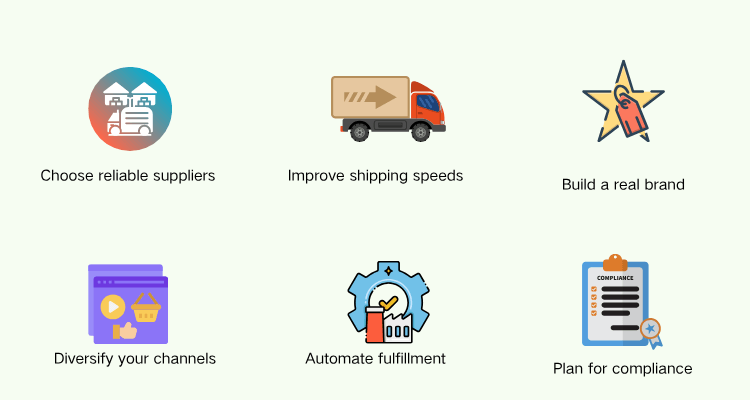
✨Choose reliable suppliers
Work with vetted suppliers who offer stable inventory, consistent quality, and clear communication. Always test products yourself before selling.
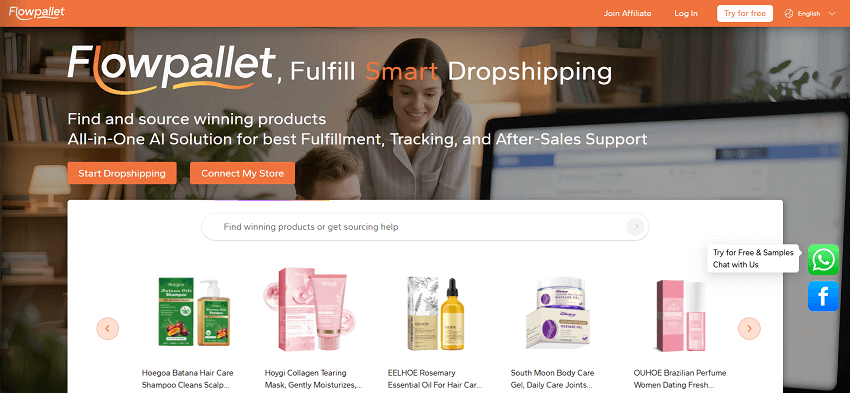
If you don't want to spend weeks filtering unreliable vendors, tools like Flowpallet can simplify the process by connecting you with pre-vetted suppliers and more stable sourcing options. And the trending items are updated every day; log in and see them~
✨Improve shipping speed
Consider suppliers with local warehouses or faster logistics options. Faster delivery improves customer satisfaction and reduces refunds.
✨Build a real brand
Instead of running a generic store, invest in:
- Custom branding
- Unique product positioning
- Better product pages and storytelling
A strong brand reduces price competition and increases trust.
✨Diversify your channels
Avoid relying on a single platform. Use multiple traffic sources such as SEO, email marketing, and social media to reduce dependency risk.
✨Automate fulfillment and operations
Manual pick-and-pack fulfillment by yourself is so troublesome. This is where tools like Flowpallet come in. Flowpallet helps streamline your dropshipping operations by:
- Sourcing your desired products with more reliable suppliers
- Optimizing product sourcing and fulfillment
- Supporting faster and more stable shipping solutions
- Reducing manual errors in order processing
- Monitoring all store data in a summary dashboard
By improving operational efficiency, it directly lowers risks related to suppliers, shipping, and customer satisfaction.
✨Plan for compliance
Make sure your store includes clear refund and return policies, proper tax setup, and compliance with product regulations.
This protects your business as it scales.
4. Is dropshipping still worth the risk?
Dropshipping carries risks, yet so does every business model.
Unlike other ventures, its risks are controllable with a strategic approach. It is not a get-rich-quick scheme anymore. Success requires a solid system, trusted partners, and long-term value creation.
Treat dropshipping as a genuine business rather than an easy shortcut, and it will stay a profitable option in 2026 and future years.
