'/%3e%3cpath%20d='M59.9558%200H51.6287C51.6287%200%2045.5566%2034.1414%2045.7996%2039.9704C48.4659%20103.923%20122.41%2090.4886%20159.049%2075.7773L159.882%2071.6137C72.4464%20100.759%2053.2939%2059.9557%2054.1268%2039.9704C54.7163%2025.8265%2059.9558%200%2059.9558%200Z'%20fill='url(%23paint1_linear_658_5274)'/%3e%3cpath%20d='M180.7%2050.7959L180.845%2049.8037C184.282%2054.4129%20189.53%2057.458%20195.688%2057.458C206.726%2057.458%20217.339%2046.0121%20217.339%2034.9746C217.339%2023.9371%20211.722%2015.8223%20200.685%2015.8223C195.356%2015.8223%20189.544%2018.1027%20184.957%2021.7031L185.696%2016.6543H177.369L168.209%2075.7773H176.536L180.7%2050.7959ZM194.023%2049.9629C183.198%2049.1302%20183.198%2041.6353%20183.198%2037.4717C183.198%2028.3123%20190.455%2023.3157%20197.354%2023.3154C204.252%2023.3154%20208.18%2027.6155%20208.18%2034.9736C208.18%2044.1334%20200.922%2049.9627%20194.023%2049.9629Z'%20fill='%23FBFBFB'/%3e%3cpath%20d='M221.503%2050.7954C226.722%2063.8433%20244.819%2055.7917%20248.982%2050.7954C247.65%2056.7908%20255.088%2057.1796%20258.974%2056.6245L259.807%2049.1304C258.697%2049.1304%20256.476%2048.6308%20256.476%2046.6323C256.476%2044.1342%20260.451%2031.2297%20258.974%2025.814C253.978%207.49469%20228.164%2015.8221%20225.666%2024.9819L231.495%2028.312C242.32%2016.6545%20253.146%2024.9814%20249.815%2031.6431C239.823%2029.1449%20214.842%2034.1413%20221.503%2050.7954ZM248.982%2038.3052C250.648%2045.7997%20233.994%2056.6248%20229.83%2046.6323C227.054%2039.9706%20241.488%2037.4725%20248.982%2038.3052Z'%20fill='%23FBFBFB'/%3e%3cdefs%3e%3clinearGradient%20id='paint0_linear_658_5274'%20x1='333.92'%20y1='70.601'%20x2='188.194'%20y2='70.601'%20gradientUnits='userSpaceOnUse'%3e%3cstop%20stop-color='%23EB5455'/%3e%3cstop%20offset='0.0001'%20stop-color='%23EF733E'/%3e%3cstop%20offset='1'%20stop-color='%23FFD461'/%3e%3c/linearGradient%3e%3clinearGradient%20id='paint1_linear_658_5274'%20x1='139.897'%20y1='83.2717'%20x2='53.2939'%20y2='3.33085'%20gradientUnits='userSpaceOnUse'%3e%3cstop%20stop-color='%23FFD461'/%3e%3cstop%20offset='0.9999'%20stop-color='%23EF733E'/%3e%3c/linearGradient%3e%3c/defs%3e%3c/svg%3e)


7 E-commerce Trends 2026: What Online Sellers Need to Know
FlowpalletAurora ShawJun. 18, 2026

E-commerce isn't slowing down, and it's evolving. By 2026, online retail will no longer be just about owning an online shop. Instead, it's all about delivering smarter, quicker, and more personalized shopping journeys.
Technology, consumer expectations, and global access are reshaping how businesses sell and how people buy.
If you're running an online store or planning to start one, understanding these e-commerce trends isn't optional - it's how you stay competitive.
E-commerce trend 1: AI and personalization
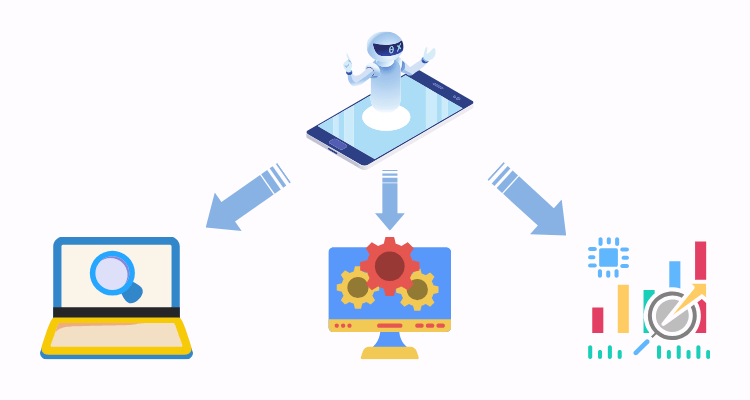
Artificial intelligence is no longer a "nice-to-have." It's become the backbone of today's e-commerce space.
Modern shoppers now expect online stores to know exactly what they like and want. And AI makes this possible by analyzing users' browsing habits, purchase records, and even their real-time onsite behavior.
What this looks like in practice:
- Personalized product recommendations
- Dynamic pricing based on demand or user behavior
- AI-powered chatbots that actually solve problems
- Smarter email and ad targeting
The result? Higher conversion rates and better customer retention. Brands that treat every customer the same are already falling behind.
E-commerce trend 2: Mobile commerce growth
Mobile shopping continues to dominate. More than ever, customers browse, compare, and purchase directly from their phones.
But it's not just about having a mobile-friendly site anymore. Speed and simplicity are everything. Key drivers include:
- One-click checkout options
- Digital wallets and local payment methods
- Faster loading pages
- App-based shopping experiences
If your store isn't optimized for mobile, you're not just losing traffic, you're losing sales.
E-commerce trend 3: Social commerce expansion
Social media has fully evolved into a complete sales channel in its own right.
Rather than sending users off to outside websites, social platforms now let shoppers find and purchase products without ever leaving the app. This streamlines the entire shopping process and drives more impulse buys. Key factors fueling this trend:
- Product discovery through influencer recommendations
- Live-stream shopping events
- Built-in native checkout tools on social apps
- Trust built by user-generated content
For brands, this means marketing and sales now happen all in one place.

E-commerce trend 4: Sustainability and ethical shopping
Consumers are paying more attention to how products are made, packaged, and delivered.
Sustainability is no longer a niche concern; it's a deciding factor. Shoppers are looking for:
- Eco-friendly packaging
- Transparent supply chains
- Ethical sourcing
- Carbon-neutral shipping options
Brands that ignore this shift risk losing trust. On the other hand, those who communicate their values clearly can build stronger long-term loyalty.
E-commerce trend 5: Dropshipping fulfillment and logistics
Dropshipping is still very much alive, but it's evolving. What is dropshipping? The biggest shift? Faster and more reliable fulfillment. Customers no longer accept long shipping times, especially with global competition. What used to work, long delivery windows and inconsistent tracking, no longer meet expectations.
Modern dropshipping now focuses on:
- Local or regional warehouses
- Better supplier vetting
- Automated order processing
- Real-time tracking
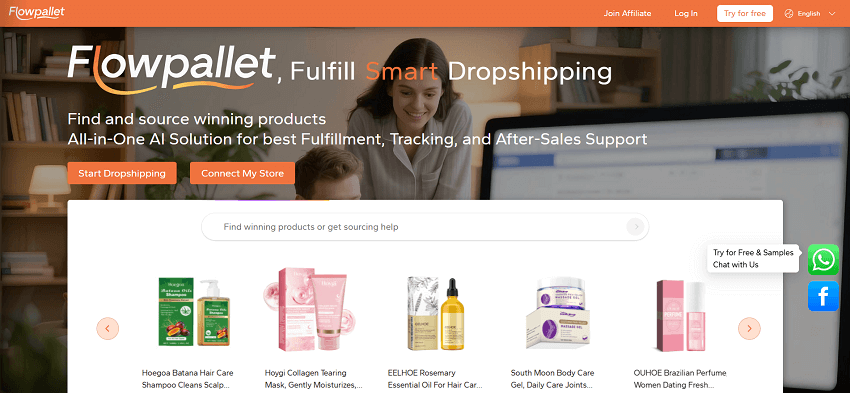
To keep up, many sellers are moving toward integrated fulfillment solutions that combine sourcing, warehousing, and shipping in one system. Platforms like Flowpallet, for example, help streamline the entire process—from product sourcing to last-mile delivery, making it easier to reduce delays and maintain consistent service quality.
E-commerce trend 6: Subscription-based models
Subscription commerce is growing across industries, from beauty and food to software and lifestyle products.
Why it works:
- Predictable revenue for businesses
- Convenience for customers
- Stronger brand loyalty
Examples include:
- Monthly product boxes
- Refill subscriptions
- Membership perks and exclusive access
When done right, subscriptions turn one-time buyers into repeat customers without constant re-marketing.
E-commerce trend 7: Cross-border e-commerce
Going global with online sales has never been simpler. Thanks to upgraded logistics networks, global payment systems, and localized store setups, even small online businesses can easily serve customers across the world.
The main drivers behind this cross-border boom:
- Multi-currency checkout and local payment methods
- Faster international shipping alternatives
- Fully localized site language and tailored content
- Streamlined customs and tax management tools
Cross-border e-commerce is no longer exclusive to large corporations; it's quickly becoming the new industry standard.
How to adapt to e-commerce trends
Knowing the trends is one thing - acting on them is what matters. Here are practical ways to stay ahead:
- Invest in tools that automate and personalize customer experiences
- Optimize your store for mobile-first shopping
- Use social platforms as direct sales channels
- Be transparent about sustainability efforts
- Improve fulfillment speed and reliability
- Explore subscription offerings if they fit your niche
- Test international markets gradually
The key is not to adopt everything at once, but to prioritize what aligns with your business model.
Conclusion
Looking ahead, e-commerce will become more integrated, intelligent, and customer-centric. We can expect:
- Even deeper AI integration across the entire shopping journey
- Seamless blending of online and offline experiences
- Faster delivery expectations are becoming the norm
- Greater emphasis on trust, transparency, and brand identity
In short, the businesses that win in 2026 and beyond won't just sell products; they'll deliver experiences that feel effortless and personal.
