'/%3e%3cpath%20d='M59.9558%200H51.6287C51.6287%200%2045.5566%2034.1414%2045.7996%2039.9704C48.4659%20103.923%20122.41%2090.4886%20159.049%2075.7773L159.882%2071.6137C72.4464%20100.759%2053.2939%2059.9557%2054.1268%2039.9704C54.7163%2025.8265%2059.9558%200%2059.9558%200Z'%20fill='url(%23paint1_linear_658_5274)'/%3e%3cpath%20d='M180.7%2050.7959L180.845%2049.8037C184.282%2054.4129%20189.53%2057.458%20195.688%2057.458C206.726%2057.458%20217.339%2046.0121%20217.339%2034.9746C217.339%2023.9371%20211.722%2015.8223%20200.685%2015.8223C195.356%2015.8223%20189.544%2018.1027%20184.957%2021.7031L185.696%2016.6543H177.369L168.209%2075.7773H176.536L180.7%2050.7959ZM194.023%2049.9629C183.198%2049.1302%20183.198%2041.6353%20183.198%2037.4717C183.198%2028.3123%20190.455%2023.3157%20197.354%2023.3154C204.252%2023.3154%20208.18%2027.6155%20208.18%2034.9736C208.18%2044.1334%20200.922%2049.9627%20194.023%2049.9629Z'%20fill='%23FBFBFB'/%3e%3cpath%20d='M221.503%2050.7954C226.722%2063.8433%20244.819%2055.7917%20248.982%2050.7954C247.65%2056.7908%20255.088%2057.1796%20258.974%2056.6245L259.807%2049.1304C258.697%2049.1304%20256.476%2048.6308%20256.476%2046.6323C256.476%2044.1342%20260.451%2031.2297%20258.974%2025.814C253.978%207.49469%20228.164%2015.8221%20225.666%2024.9819L231.495%2028.312C242.32%2016.6545%20253.146%2024.9814%20249.815%2031.6431C239.823%2029.1449%20214.842%2034.1413%20221.503%2050.7954ZM248.982%2038.3052C250.648%2045.7997%20233.994%2056.6248%20229.83%2046.6323C227.054%2039.9706%20241.488%2037.4725%20248.982%2038.3052Z'%20fill='%23FBFBFB'/%3e%3cdefs%3e%3clinearGradient%20id='paint0_linear_658_5274'%20x1='333.92'%20y1='70.601'%20x2='188.194'%20y2='70.601'%20gradientUnits='userSpaceOnUse'%3e%3cstop%20stop-color='%23EB5455'/%3e%3cstop%20offset='0.0001'%20stop-color='%23EF733E'/%3e%3cstop%20offset='1'%20stop-color='%23FFD461'/%3e%3c/linearGradient%3e%3clinearGradient%20id='paint1_linear_658_5274'%20x1='139.897'%20y1='83.2717'%20x2='53.2939'%20y2='3.33085'%20gradientUnits='userSpaceOnUse'%3e%3cstop%20stop-color='%23FFD461'/%3e%3cstop%20offset='0.9999'%20stop-color='%23EF733E'/%3e%3c/linearGradient%3e%3c/defs%3e%3c/svg%3e)


Is Dropshipping Illegal or Legal? How to Run a Legal One?
FlowpalletAurora ShawJun. 10, 2026

If you've been looking into starting an online business, chances are you've come across dropshipping. It's often promoted as a low-risk way to sell products without holding inventory - but it also raises a common question: Is dropshipping illegal?
I'm a 21-year-old college student doing dropshipping on Facebook Marketplace. I've made around $300 in sales, $100 in profit. My boss says it's illegal and breaks federal law, and I'm confused if that's true. I know I'm liable for product problems and have to pay taxes. What other legal basics do I need to know? -reddit.com
Replies here or other similar questions are: YES! But like most business models, the details matter. Dropshipping itself isn't illegal, but how you run your store can determine whether you stay compliant or run into trouble. Let's break it down in plain terms.
1. Is dropshipping illegal? (quick answers)
No, dropshipping is legal in most countries. It's a widely used business model where you sell products without holding inventory, and a supplier ships orders directly to your customers.
However, legality depends on your business practices.
- If you follow regulations, it's completely legal
- If you cut corners (fake products, misleading ads), it can become illegal
Think of it like this: dropshipping is just a tool—the responsibility still falls on you as the seller.
It's also worth noting that different countries have slightly different rules around online selling. While the core idea of dropshipping is legal almost everywhere, you may still need to comply with local requirements like business registration, tax reporting, or data protection policies.
In short: dropshipping itself is perfectly legal—but it only stays that way if you run it like a real business, not a quick experiment.
2. When dropshipping is legal & when dropshipping is illegal
While dropshipping itself is legal, the line between legal and illegal often comes down to how responsibly you operate your business. Understanding what's allowed—and what crosses the line—can help you avoid unnecessary risks and build a store that lasts.
When dropshipping is legal
You're operating legally when you:
- Sell genuine, non-infringing products
- Provide accurate product descriptions
- Clearly communicate shipping times
- Work with reliable suppliers
- Follow local tax and business laws
When dropshipping becomes illegal
Problems usually arise when sellers try to shortcut the process. Common illegal practices include:
- Selling counterfeit or branded products without permission
- False advertising (e.g., unrealistic claims or fake reviews)
- Ignoring consumer protection laws
- Failing to deliver products or honor refunds
- Not reporting or paying taxes
In short, the business model isn't the issue—unethical execution is.
3. Legal requirements for dropshipping
While requirements vary by country, most dropshipping businesses need to cover a few basics:
1️⃣Business registration
Depending on where you operate, you may need to register as a sole proprietor or a company.
2️⃣Taxes
This could include sales tax, VAT, or income tax. Even if you're just starting, it's important to understand your obligations early.
3️⃣Policies on your website
A legitimate store should include:
- Refund and return policy
- Shipping policy
- Privacy policy
- Terms and conditions
4️⃣Supplier compliance
You're responsible for what you sell—even if a supplier handles fulfillment. That's why choosing the right partner matters.
4. How to run a legal dropshipping business
Starting a dropshipping business isn't complicated—but it does require discipline.
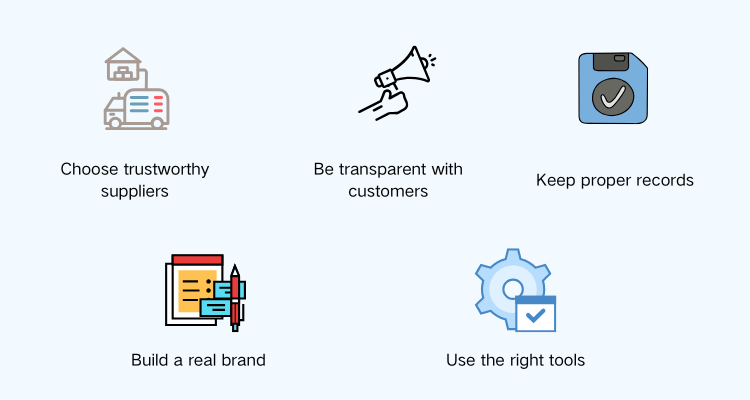
1. Choose trustworthy suppliers
Reliable sourcing is the foundation. Poor suppliers create most legal and customer issues.
2. Be transparent with customers
Set clear expectations for shipping times, product quality, and returns.
3. Keep proper records
Track orders, payments, and customer interactions in case disputes arise.
4. Build a real brand
Avoid the "quick cash" mindset. A long-term brand naturally pushes you toward better practices.
5. Use the right tools
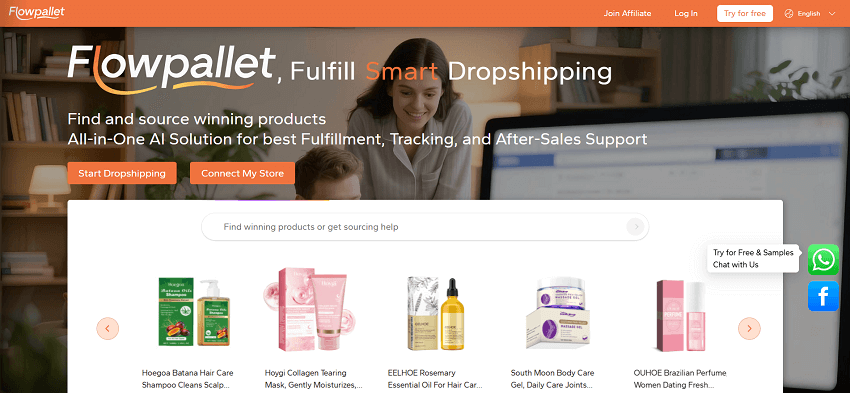
Managing suppliers, orders, and product listings can get messy fast—especially as you scale. Platforms like Flowpallet help streamline sourcing, product selection, and order fulfillment, making it easier to stay organized and avoid operational mistakes that could lead to customer complaints or compliance issues.
So, is dropshipping illegal? Not at all. It's a legitimate business model used by thousands of stores worldwide. The key is simple: operate transparently, follow the rules, and focus on delivering real value.
If you approach it the right way, dropshipping isn't just legal - it can be a sustainable and profitable business over the long run.
