'/%3e%3cpath%20d='M59.9558%200H51.6287C51.6287%200%2045.5566%2034.1414%2045.7996%2039.9704C48.4659%20103.923%20122.41%2090.4886%20159.049%2075.7773L159.882%2071.6137C72.4464%20100.759%2053.2939%2059.9557%2054.1268%2039.9704C54.7163%2025.8265%2059.9558%200%2059.9558%200Z'%20fill='url(%23paint1_linear_658_5274)'/%3e%3cpath%20d='M180.7%2050.7959L180.845%2049.8037C184.282%2054.4129%20189.53%2057.458%20195.688%2057.458C206.726%2057.458%20217.339%2046.0121%20217.339%2034.9746C217.339%2023.9371%20211.722%2015.8223%20200.685%2015.8223C195.356%2015.8223%20189.544%2018.1027%20184.957%2021.7031L185.696%2016.6543H177.369L168.209%2075.7773H176.536L180.7%2050.7959ZM194.023%2049.9629C183.198%2049.1302%20183.198%2041.6353%20183.198%2037.4717C183.198%2028.3123%20190.455%2023.3157%20197.354%2023.3154C204.252%2023.3154%20208.18%2027.6155%20208.18%2034.9736C208.18%2044.1334%20200.922%2049.9627%20194.023%2049.9629Z'%20fill='%23FBFBFB'/%3e%3cpath%20d='M221.503%2050.7954C226.722%2063.8433%20244.819%2055.7917%20248.982%2050.7954C247.65%2056.7908%20255.088%2057.1796%20258.974%2056.6245L259.807%2049.1304C258.697%2049.1304%20256.476%2048.6308%20256.476%2046.6323C256.476%2044.1342%20260.451%2031.2297%20258.974%2025.814C253.978%207.49469%20228.164%2015.8221%20225.666%2024.9819L231.495%2028.312C242.32%2016.6545%20253.146%2024.9814%20249.815%2031.6431C239.823%2029.1449%20214.842%2034.1413%20221.503%2050.7954ZM248.982%2038.3052C250.648%2045.7997%20233.994%2056.6248%20229.83%2046.6323C227.054%2039.9706%20241.488%2037.4725%20248.982%2038.3052Z'%20fill='%23FBFBFB'/%3e%3cdefs%3e%3clinearGradient%20id='paint0_linear_658_5274'%20x1='333.92'%20y1='70.601'%20x2='188.194'%20y2='70.601'%20gradientUnits='userSpaceOnUse'%3e%3cstop%20stop-color='%23EB5455'/%3e%3cstop%20offset='0.0001'%20stop-color='%23EF733E'/%3e%3cstop%20offset='1'%20stop-color='%23FFD461'/%3e%3c/linearGradient%3e%3clinearGradient%20id='paint1_linear_658_5274'%20x1='139.897'%20y1='83.2717'%20x2='53.2939'%20y2='3.33085'%20gradientUnits='userSpaceOnUse'%3e%3cstop%20stop-color='%23FFD461'/%3e%3cstop%20offset='0.9999'%20stop-color='%23EF733E'/%3e%3c/linearGradient%3e%3c/defs%3e%3c/svg%3e)


Shopify Dropship Suppliers in 2026: Top Platforms for High Profits
FlowpalletMay. 25, 2026
Do you really need reliable Shopify dropshipping suppliers? Finding the right ones is one of the biggest challenges in starting a dropshipping business on Shopify. A good supplier can help you source the needed items, deliver products faster, maintain stable quality, and create a better shopping experience for your customers.
As Shopify dropshipping becomes more competitive in 2026, choosing reliable partners matters more than ever, not only for the cheapest option, but also for the automation, branding, and long-term scalability.
In this guide, we'll break down the best Shopify dropshipping suppliers, compare their strengths, and explain how to choose the right one for your business. See them in the overview and keep reading~
- AutoDS - Automation & multi-platform management
- Flowpallet - Professional fulfillment, sourcing, branding agent
- AliExpress - Low-cost beginner-friendly products
- CJdropshipping - Global shipping & branding options
- Zendrop - Easy automation & US fulfillment
- Spocket - Fast US/EU local shipping
- Printful - Custom print-on-demand products
1. What is Shopify dropshipping?
Shopify dropshipping is an e-commerce business model where you sell products through a Shopify store without holding inventory yourself.
Instead of buying stock upfront, you work with suppliers who store, pack, and ship products directly to your customer after he/she buys. Here you can see how dropshipping works on Shopify:
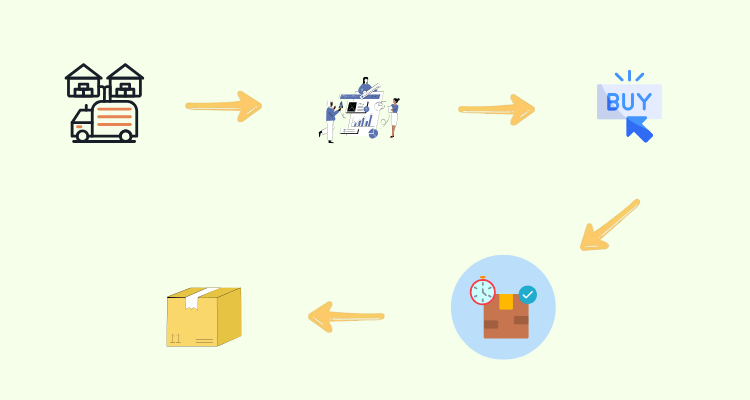
- You find a dropshipping supplier.
- You import products into your Shopify store.
- A customer places an order.
- The supplier fulfills the order automatically or manually.
- The customer receives the product.
This model is popular because it has lower startup costs compared to traditional e-commerce. You don't need a warehouse, large inventory investment, or complicated logistics setup. The suppliers do all except buying.
2. Types and key criteria of Shopify dropshipping suppliers
Not all suppliers work the same way. Some focus on fast shipping, while others specialize in automation, branding, or product sourcing. See the main types here:
1️⃣Marketplace suppliers
These are large product marketplaces with millions of items from different sellers. Examples include AliExpress and CJdropshipping.
Best for:
- Beginners
- Testing products
- Low-cost sourcing
2️⃣Private or agent-based suppliers
Dropshipping agents or private suppliers provide more personalized sourcing and fulfillment services. They often help with: Product sourcing, quality checks, custom packaging, fast shipping, private labeling options, and so on.
Best for:
- Branding
- Long-term e-commerce business
- Scaling stores
3️⃣Local suppliers
These suppliers store products in local warehouses, such as the US or Europe.
Best for:
- Fast delivery
- Lower return rates
- Better customer experience
4️⃣Print-on-demand suppliers
These POD companies create customized products after customers place orders. Popular products include: T-shirts, hoodies, phone cases, posters, accessories…
Best for:
- Creators
- Niche brands
- Personalized products
So, for these Shopify dropshipping suppliers, you can judge them with the key criteria:
🚢Shipping speed
Long delivery times are one of the main reasons customers abandon dropshipping stores. Fast shipping helps increase trust and repeat purchases.
🛒Product quality
Low-quality products lead to refunds and bad reviews. Always order samples before selling products at scale.
💡Shopify integration
A good supplier should connect smoothly with Shopify and support automated order fulfillment.
💬Communication
Responsive suppliers help solve issues faster, especially when dealing with shipping delays or inventory problems.
🎀Branding options
As competition grows, custom packaging and private labeling can help your store stand out.
💰Pricing and profit margins
Cheaper products don't always mean higher profits. Consider shipping costs, refund risks, and product quality together.
Hope these key factors could help you choose the right one.
3. Best Shopify dropshipping suppliers in 2026
Choosing the right supplier can make or break a Shopify dropshipping business. Below are some of the best Shopify dropshipping suppliers in 2026 and what they're best known for.
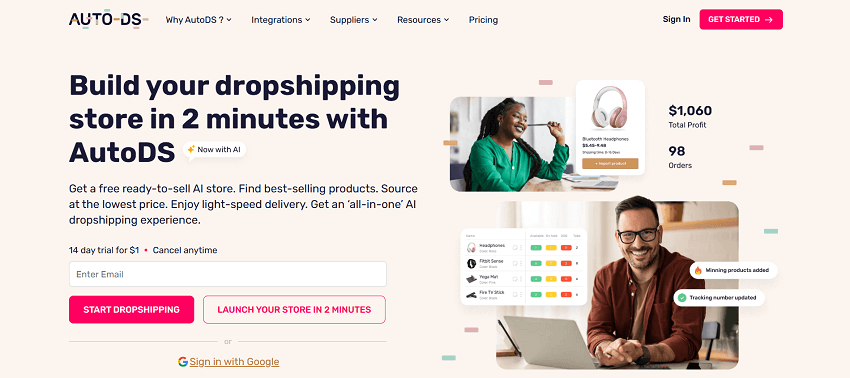
1️⃣AutoDS
AutoDS is one of the most automation-focused dropshipping platforms available today. It supports: product importing, price monitoring, inventory syncing, and automated order fulfillment.
One major advantage of AutoDS is its multi-platform support. Sellers can source products from multiple suppliers while managing everything in one dashboard.
🔑Best for: Automation-focused sellers; Multi-store management; Scaling businesses
😟Potential downside:
Some advanced features require higher subscription plans.
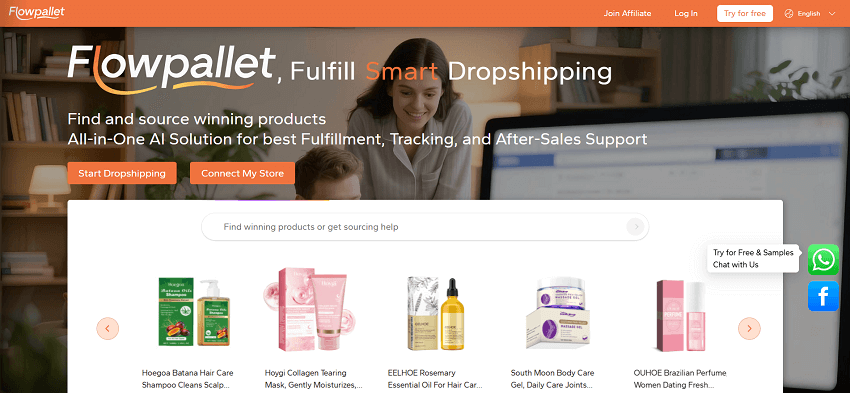
2️⃣Flowpallet
Flowpallet has become increasingly popular among Shopify dropshippers looking for seamless automated fulfillment and more stable supplier support.
Unlike traditional marketplaces, Flowpallet focuses more on curated products and supply chain optimization. It helps merchants simplify sourcing, fulfillment, and logistics management through a more streamlined system.
One of its strengths is product sourcing support. Instead of manually searching through thousands of suppliers, store owners can access their desired products with more reliable fulfillment workflows. Flowpallet also supports:
- Real-time Inventory management assistance
- White label, private label, customized packaging options
- Better pick and pack fulfillment efficiency
- Integrated all operational data overview
- Additional 3PL logistics services
For sellers who want to move beyond beginner-level dropshipping, Flowpallet can be a practical option for improving operational stability.
🔑Best for: Growing Shopify stores; Sellers focused on fulfillment efficiency; Businesses looking for sourcing support; Owners who run Shopify, WooCommerce, or TikTok Shop
3️⃣AliExpress
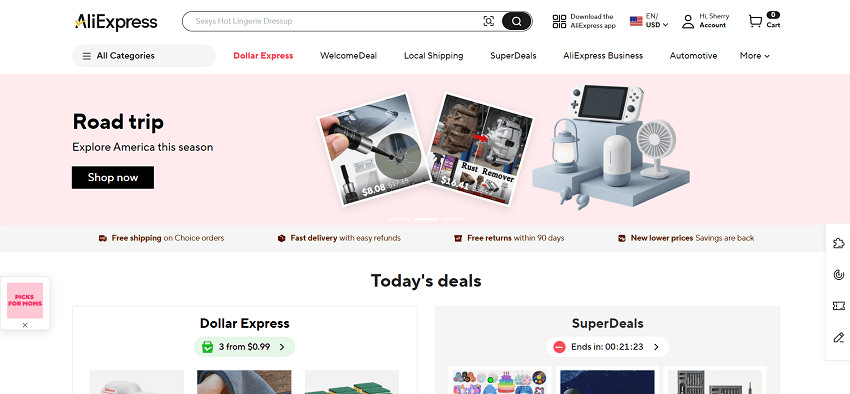
AliExpress remains one of the most beginner-friendly dropshipping suppliers in 2026. The platform offers a massive product variety, low product costs, easy Shopify integration.
Many new sellers start with AliExpress because it requires little upfront investment.
However, shipping times can still vary depending on the supplier and warehouse location. Product quality is also inconsistent across sellers, so careful supplier selection is important.
🔑Best for: Beginners; Product testing; Low-budget startups
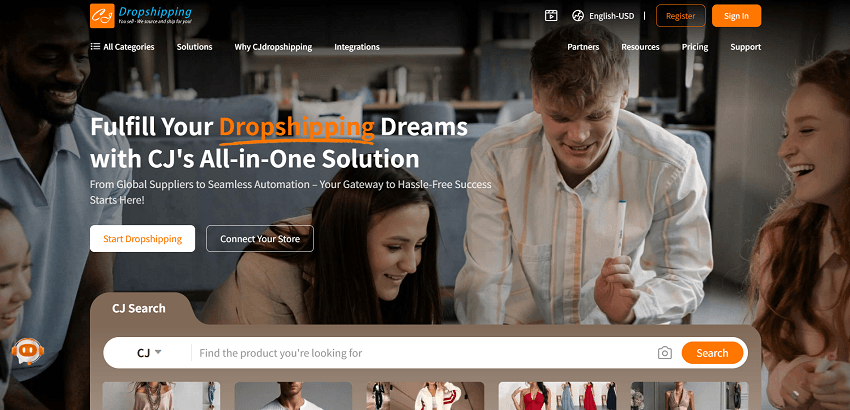
4️⃣CJdropshipping
CJdropshipping has evolved into a strong alternative to AliExpress. It provides product sourcing, warehousing, faster shipping, and branding options.
Many Shopify sellers prefer CJdropshipping because it offers more direct fulfillment support and better logistics solutions.
The platform also allows sellers to request product sourcing for trending items.
🔑Best for: Scaling stores; Faster global shipping; Brand-focused businesses
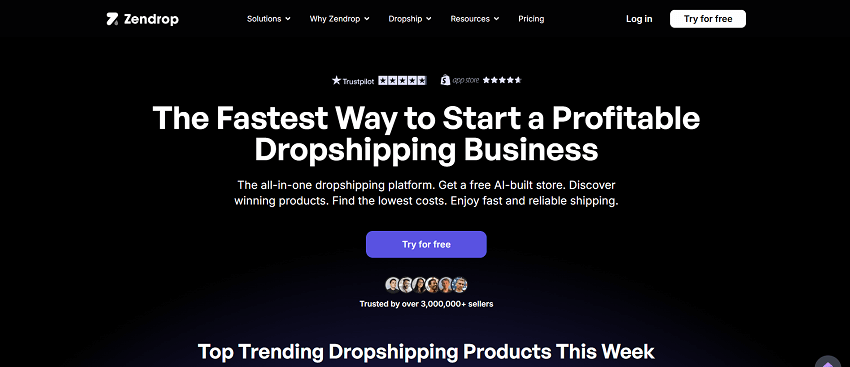
5️⃣Zendrop
Zendrop is designed specifically for Shopify dropshipping automation. Its main advantages include: automated fulfillment, faster shipping, US-based fulfillment options, and a simple user interface.
Zendrop also offers custom branding services, which can help stores build a more professional image.
Compared to AliExpress, the platform feels more beginner-friendly and easier to manage.
🔑Best for: Shopify beginners; Automation; Faster delivery experience
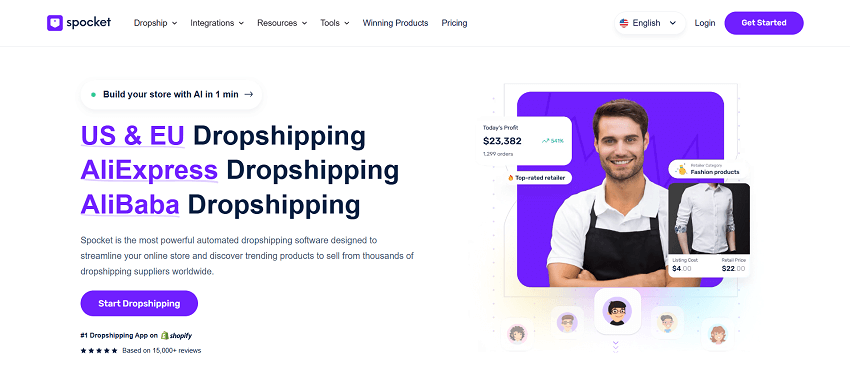
6️⃣Spocket
Spocket focuses heavily on US and European suppliers. This helps reduce shipping times significantly compared to overseas-only sourcing platforms.
Products on Spocket are generally higher quality, although prices may also be slightly higher.
Key benefits include: faster local shipping, better supplier quality, branded invoicing, and easy Shopify integration.
🔑Best for: US and EU markets; Premium stores; Customer experience-focused brands
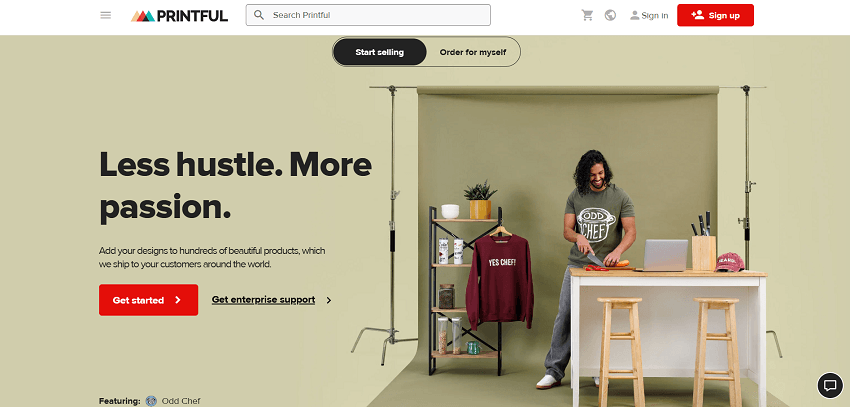
7️⃣Printful
Printful is one of the leading print-on-demand suppliers for Shopify. Instead of selling generic products, you can create custom designs for clothing, accessories, home decor, and lifestyle products.
Printful handles printing, packing, and shipping automatically after customers place orders.
Because products are made on demand, you don't need to hold inventory.
🔑Best for: Creators; Personal brands; Print-on-demand businesses
😟Potential downside: Profit margins can be lower than standard dropshipping products.
There's no single "best" supplier for every Shopify store. The right choice depends on your niche, budget, target market, and business goals. Many successful dropshippers even combine multiple suppliers to balance product variety, shipping speed, and fulfillment stability as their stores grow.
4. How to start dropshipping on Shopify?
Starting a Shopify dropshipping business is relatively simple, but building a profitable store still requires strategy and consistency. Let's follow:
Step 1: Choose a niche
Focus on a dropshipping niche with stable demand instead of trying to sell everything. Examples like pet products, home organization, fitness accessories, and beauty tools are good.
A focused niche market branding and marketing is much easier.
Step 2: Create a Shopify store
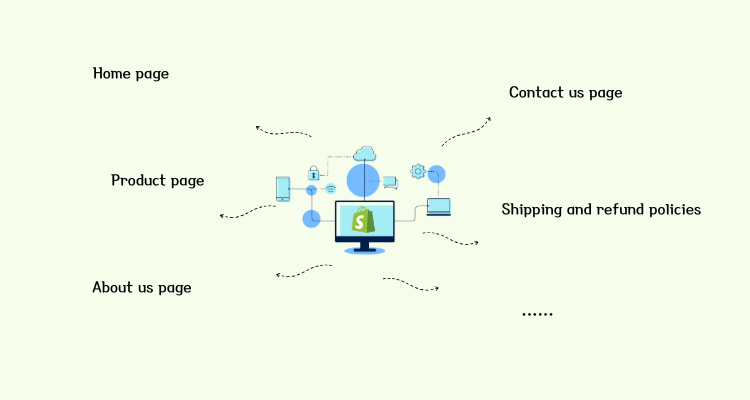
Set up your store with: store theme, product pages, navigation, payment methods, and shipping settings.
A clean and trustworthy store design improves conversion rates.
Step 3: Select a dropshipping supplier
Read the recommended suppliers above and compare them for shipping times, product quality, pricing, automation features, and customer support.
And remember, always test products before scaling.
Step 4: Import products and fulfill orders
You can import items one by one by yourself or with the automated suppliers (ready images, descriptions, and prices).
Please optimize product titles, descriptions, images, and SEO keywords. Avoid copying supplier descriptions directly. Then fulfill orders and deliver the packages to your customers.
Step 5: Start marketing
Common traffic sources include: TikTok, Instagram, Facebook Ads, SEO, and influencer marketing.
Many successful stores test multiple products before finding winners.
Step 6: Optimize and scale
When the orders keep increasing, you can monitor conversion rates, shipping performance, customer feedback, and profit margins.
As your store grows, you can negotiate better pricing and improve fulfillment systems.
5. Conclusion
In 2026, picking the top Shopify dropshipping suppliers isn't just about going with the lowest price anymore. If you want long-term business success, most factors should be considered.
At the end of the day, the best supplier for you depends on your business goals, niche, and target audience. If you test suppliers thoroughly and build solid long-term partnerships, you can run a much more stable, scalable Shopify dropshipping store. Good luck~
