


How to Sell Products Online: A Step-by-Step Guide
FlowpalletAurora ShawJun. 25, 2026

Selling products online has never been more accessible. Whether you're launching a side hustle or building a full-scale brand, the internet gives you direct access to global customers - without the overhead of a physical store.
But while starting is easy, building something that actually sells takes the right approach, so read below.
Why to sell products online
There are a few simple reasons why more people are moving online - but the real advantages go deeper than just convenience.
- Low startup costs: You don't need to rent a physical space or hold large amounts of inventory.
- Global reach: You can sell to customers across different countries and time zones, 24/7.
- Flexibility: You can manage your store from anywhere with an internet connection.
- Scalability: With the right systems in place, you can handle more traffic, orders, and products without dramatically increasing costs.
- Data-driven decisions: You can track customer behavior, test different strategies, and optimize your store based on actual performance.
- Brand-building potential: Selling online gives you full control over your brand identity—from your website design to your packaging and customer experience.
In short, online selling removes many traditional barriers and opens up more opportunities for growth.
How to sell products online?
Getting started with selling online doesn't require complicated systems - but it does require a clear, step-by-step approach.
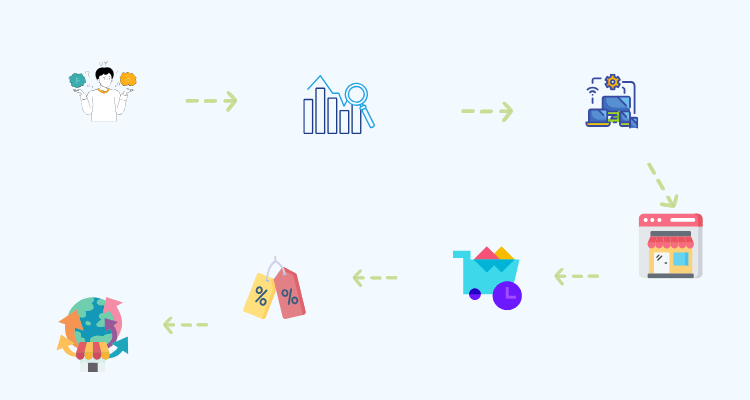
#01 Choose what products to sell
Start with a niche like dropshipping niches. Instead of selling everything, focus on a specific audience or problem. Look for products with steady demand, decent margins, and room for branding.
#02 Decide on your business model
Different models come with different levels of risk and control:
- Dropshipping (low risk, no inventory)
- Wholesale (buy in bulk, higher margins)
- Print-on-demand (custom designs, no stock)
- Private label (build your own brand)
- White label (sell pre-made products under your own brand)
Pick one based on your budget, brand goals, and how much control you want over the product.
#03 Select the right selling platform
Where you sell matters just as much as what you sell.
- Shoify or WooCommerce for full control
- Amazon or eBay for built-in traffic
- TikTok Shop or Instagram for social selling
There's no "perfect" platform - only what fits your strategy.

#04 Set up your online store
Your store is your digital storefront, so keep it clean and simple:
- Clear branding and logo
- Easy navigation
- High-quality product images
- Strong product descriptions
- Smooth checkout process
Small details here can make a big difference in conversions.
#05 Source or create your products
You can either create, edit, and import products yourself or work with dropshipping suppliers. The key is reliability and consistency.
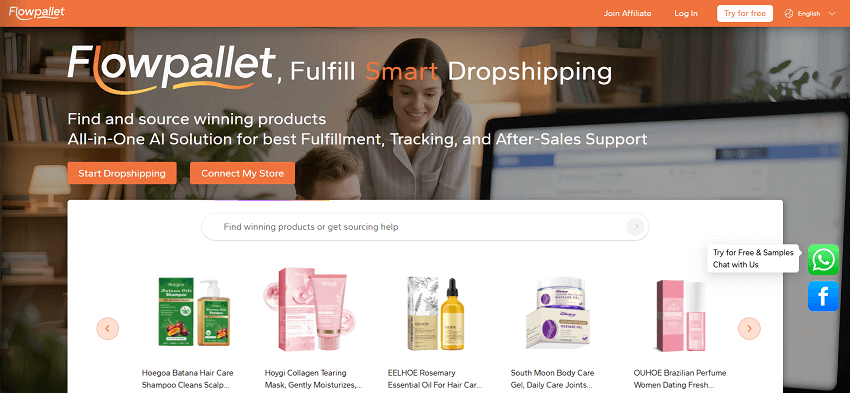
This is where tools like Flowpallet can help - especially if you're doing dropshipping. It simplifies sourcing, product importing, and order fulfillment, while also offering custom packaging, so your brand feels more professional and memorable.
#06 Price your products strategically
Pricing isn't just about covering costs.
- Study competitors
- Leave room for profit and ads
- Use psychological pricing (e.g., $9.99)
Your price should reflect both value and positioning.
#07 Market, optimize, and scale
Getting traffic is the real game when the orders keep increasing:
- SEO for long-term growth
- Social media for engagement
- Paid ads for fast results
- Email marketing for retention
Once you get traction, double down on what works and scale gradually.
A secret to success for selling products online
If you want to keep startup costs low, dropshipping is one of the easiest ways to start selling products online since you don't need to hold inventory. However, even with a well-designed store and strong marketing, your success largely depends on working with a reliable supplier.
A good partner ensures consistent product quality, fast delivery, and smooth logistics - critical for running a sustainable business. This is where Flowpallet stands out as a practical solution.
With Flowpallet, you can streamline your operations by letting it handle sourcing, packaging, and shipping after each order, so you can focus on marketing and customer experience. It also provides real-time order tracking through a centralized dashboard, improving transparency and customer trust.
On top of that, the model offers flexibility and low risk—you don't need to invest in inventory and can easily test new products or scale your store.
In short, dropshipping reduces upfront risk, and with the right partner like Flowpallet, it becomes far easier to manage, scale, and succeed.
Conclusion
Selling products online isn't complicated - but doing it well requires intention. Choose the right product, build a solid foundation, and focus on delivering real value to your customers.
Start simple, stay consistent, and improve as you go. We hope your dropshipping journey brings both learning and success.
