'/%3e%3cpath%20d='M59.9558%200H51.6287C51.6287%200%2045.5566%2034.1414%2045.7996%2039.9704C48.4659%20103.923%20122.41%2090.4886%20159.049%2075.7773L159.882%2071.6137C72.4464%20100.759%2053.2939%2059.9557%2054.1268%2039.9704C54.7163%2025.8265%2059.9558%200%2059.9558%200Z'%20fill='url(%23paint1_linear_658_5274)'/%3e%3cpath%20d='M180.7%2050.7959L180.845%2049.8037C184.282%2054.4129%20189.53%2057.458%20195.688%2057.458C206.726%2057.458%20217.339%2046.0121%20217.339%2034.9746C217.339%2023.9371%20211.722%2015.8223%20200.685%2015.8223C195.356%2015.8223%20189.544%2018.1027%20184.957%2021.7031L185.696%2016.6543H177.369L168.209%2075.7773H176.536L180.7%2050.7959ZM194.023%2049.9629C183.198%2049.1302%20183.198%2041.6353%20183.198%2037.4717C183.198%2028.3123%20190.455%2023.3157%20197.354%2023.3154C204.252%2023.3154%20208.18%2027.6155%20208.18%2034.9736C208.18%2044.1334%20200.922%2049.9627%20194.023%2049.9629Z'%20fill='%23FBFBFB'/%3e%3cpath%20d='M221.503%2050.7954C226.722%2063.8433%20244.819%2055.7917%20248.982%2050.7954C247.65%2056.7908%20255.088%2057.1796%20258.974%2056.6245L259.807%2049.1304C258.697%2049.1304%20256.476%2048.6308%20256.476%2046.6323C256.476%2044.1342%20260.451%2031.2297%20258.974%2025.814C253.978%207.49469%20228.164%2015.8221%20225.666%2024.9819L231.495%2028.312C242.32%2016.6545%20253.146%2024.9814%20249.815%2031.6431C239.823%2029.1449%20214.842%2034.1413%20221.503%2050.7954ZM248.982%2038.3052C250.648%2045.7997%20233.994%2056.6248%20229.83%2046.6323C227.054%2039.9706%20241.488%2037.4725%20248.982%2038.3052Z'%20fill='%23FBFBFB'/%3e%3cdefs%3e%3clinearGradient%20id='paint0_linear_658_5274'%20x1='333.92'%20y1='70.601'%20x2='188.194'%20y2='70.601'%20gradientUnits='userSpaceOnUse'%3e%3cstop%20stop-color='%23EB5455'/%3e%3cstop%20offset='0.0001'%20stop-color='%23EF733E'/%3e%3cstop%20offset='1'%20stop-color='%23FFD461'/%3e%3c/linearGradient%3e%3clinearGradient%20id='paint1_linear_658_5274'%20x1='139.897'%20y1='83.2717'%20x2='53.2939'%20y2='3.33085'%20gradientUnits='userSpaceOnUse'%3e%3cstop%20stop-color='%23FFD461'/%3e%3cstop%20offset='0.9999'%20stop-color='%23EF733E'/%3e%3c/linearGradient%3e%3c/defs%3e%3c/svg%3e)


8 Best AliExpress Alternatives for You: How to Choose
FlowpalletAurora ShawJun. 30, 2026

For many years, AliExpress has been a go-to platform for dropshipping. It provides access to millions of products at low prices, making it easy for beginners to launch an online store with minimal upfront costs.
However, as e-commerce becomes more competitive, many sellers are starting to move away from AliExpress. Slow shipping times, inconsistent product quality, and unreliable suppliers can make it challenging to build a strong brand or maintain customer satisfaction. Like this:
I have been using AliExpress for 10 years; however, the random bugs, annoying popups, duplicate listings, and unstable picks make me tired. Any alternatives to it? -reddit.com
The good news is that there are now many solid alternatives to AliExpress. These platforms often offer faster shipping, better supplier control, and more advanced automation tools. Whether you're starting your first e-commerce platform choice or growing an existing business, choosing the right platform can significantly impact your success. Keep reading~
Why look for an AliExpress alternative?
AliExpress can be helpful when you're testing products, but many sellers eventually run into its limitations. Shipping is often slow, product quality can be inconsistent, and communication with suppliers isn't always reliable. Tracking updates can also be delayed or inaccurate. On top of that, branding options are limited, returns can be time-consuming, and relying on different sellers for each order makes it difficult to build a consistent, professional store.
Some of the most common issues with AliExpress include:
- Shipping times are often too slow for today's customers
- Product quality varies significantly between suppliers
- Supplier communication can be inconsistent or delayed
- Tracking information is sometimes incomplete or inaccurate
- Returns and refunds can be complicated and time-consuming
- Inventory levels may change without notice
- Limited options for branding and private labeling
- Difficulty maintaining a consistent customer experience
- Scaling becomes harder without centralized fulfillment
- Customer trust can suffer due to slow delivery or poor quality
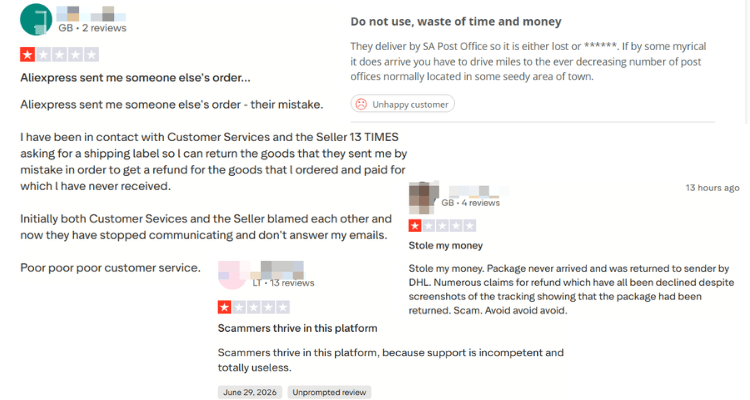
For sellers who want faster delivery, better control, and a more reliable supply chain, switching to an AliExpress alternative is often a smarter choice. Alternatives have:
🔑Faster shipping
Today's customers expect fast delivery. Waiting two to four weeks for an order is becoming less acceptable, especially when major e-commerce platforms offer much quicker shipping.
🔑Better product quality
Product quality on AliExpress can vary widely from one supplier to another. While ordering samples helps, managing multiple suppliers can quickly become inefficient.
🔑More reliable suppliers
Communication is another common pain point. Some AliExpress suppliers respond quickly, while others are slow or unresponsive.
🔑Better automation
Managing a growing store manually is not sustainable. Most AliExpress alternatives offer built-in automation features such as:
- Automatic order syncing
- Real-time inventory updates
- Tracking synchronization
- Bulk order processing
- One-click product importing
These tools save time and reduce errors, allowing you to focus on scaling your business.
🔑Branding opportunities
If you want to build a long-term ecommerce brand, branding becomes essential. This includes custom packaging, branded invoices, and private labeling.
Not every platform fits every business. Before choosing one, consider these factors above.
8 best AliExpress alternatives
If you're thinking about moving beyond AliExpress, you've got plenty of solid alternatives to AliExpress. The best choice really depends on your store model and what your customers care about most.
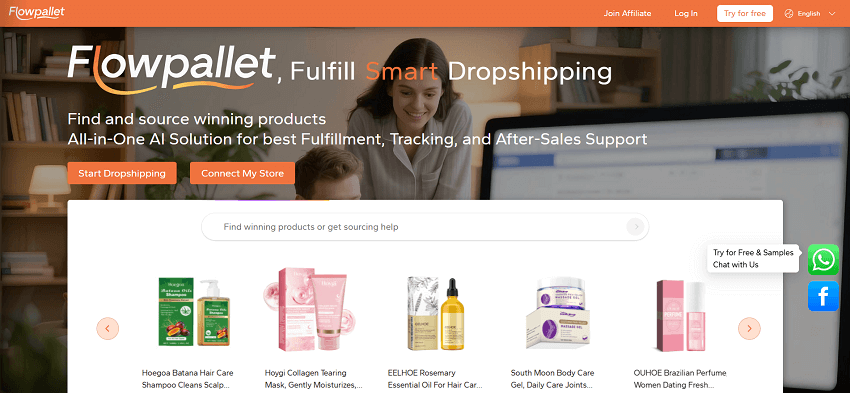
✨Flowpallet
Flowpallet is ideal if you want more than just a sourcing tool. It combines direct product sourcing, order fulfillment, real-time inventory tracking, and 3PL fulfillment services in one place, making it a strong fit for scaling e-commerce brands.
Unlike typical marketplaces, Flowpallet is built around efficient logistics and seamless operations for your online store. You can automate order fulfillment, manage stock, and do various branding options like white labeling.
🔍Best for: Scaling Shopify or WooCommerce stores; Multi-channel sellers; Fast fulfillment needs; Reliable 3PL support; More needs for branding.
Pros
- Fast global shipping
- Trusted supplier network
- Inventory management system
- Built-in automation
- 3PL warehousing
Cons
Not ideal for mobile phones
✨CJdropshipping
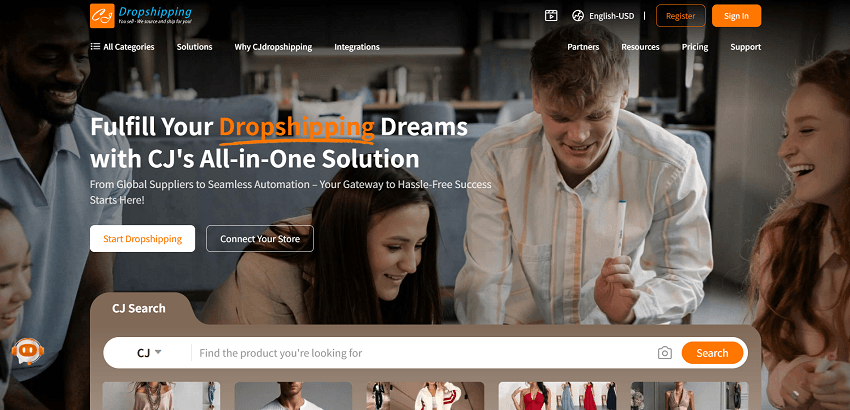
CJdropshipping is a popular AliExpress alternative, known for its sourcing services and global warehouse network. Instead of relying only on listed products, you can request custom sourcing for unique items.
🔍Best for: Beginners; Shopify users; Custom product sourcing
Pros
- Wide product range
- Global warehouses
- Custom sourcing
- Print-on-demand support
Cons
Shipping speed varies by location
✨Zendrop
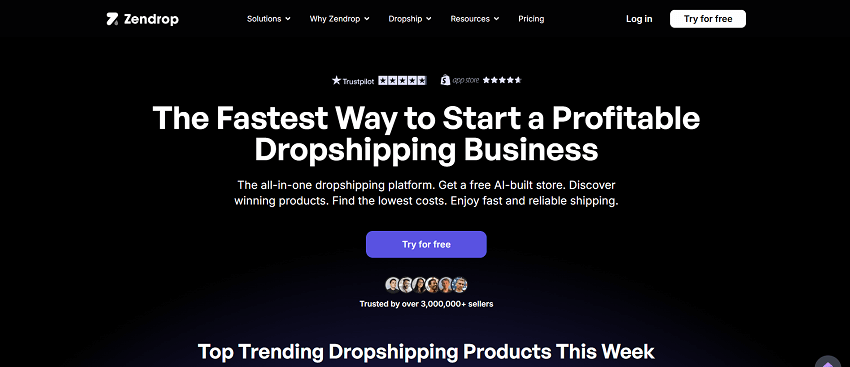
Zendrop is built for automation, making it easy to import products, fulfill orders, and track shipments.
It also offers private labeling for sellers who want to build a brand.
🔍Best for: Shopify beginners; US-focused stores; Automated workflows
Pros
- Simple setup
- Fast shipping options
- Automation tools
- Branding features
Cons
Advanced features require a paid plan
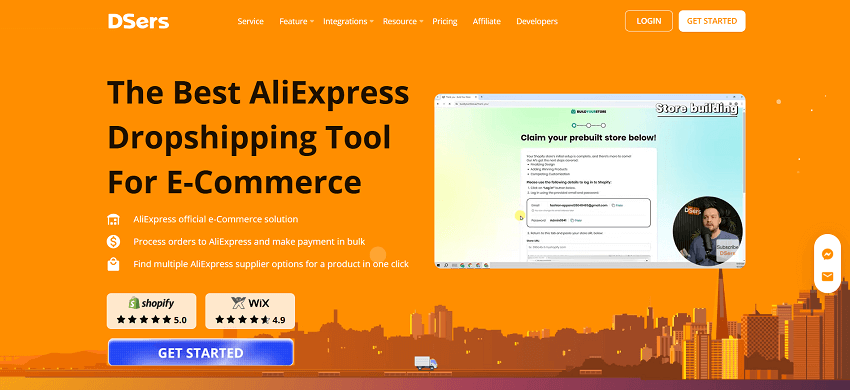
✨DSers
DSers doesn't replace AliExpress - it improves how you use it. As an official partner, it helps streamline supplier management and bulk ordering.
🔍Best for: Existing AliExpress sellers; Bulk order handling
Pros
- Official integration
- Supplier optimization
- Bulk processing
Cons
Still relies on AliExpress suppliers
✨Spocket
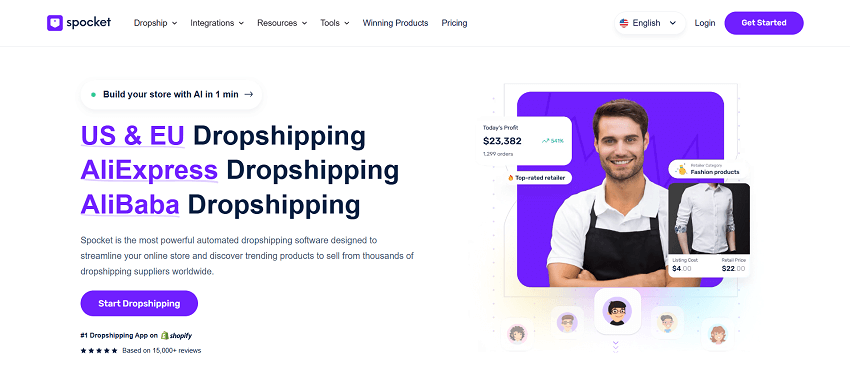
Spocket focuses on US and European suppliers, making it a good choice for Western markets.
Prices are typically higher than on AliExpress, but shipping is much faster.
🔍Best for: US/EU customers; Premium positioning; Brand-focused stores
Pros
- Faster delivery
- Verified suppliers
- Better product quality
Cons
Smaller product selection
✨AutoDS
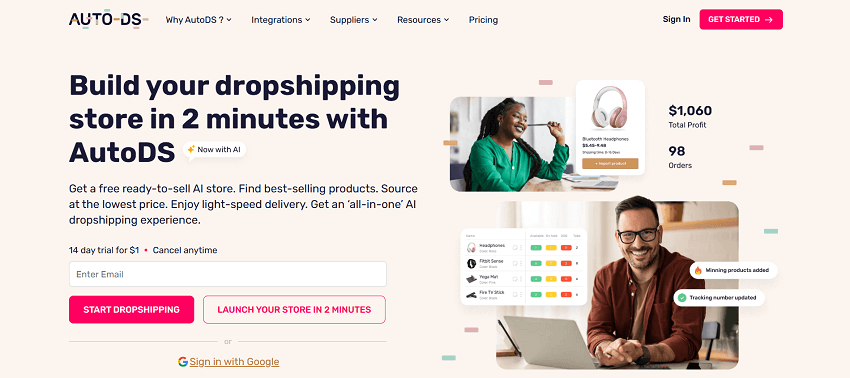
AutoDS is more than a supplier platform-it combines sourcing, research, automation, price tracking, and inventory management.
It's especially useful if you run multiple stores or sell across different platforms.
🔍Best for: Automation-heavy businesses; Multi-store management
Pros
- Product research tools
- Price monitoring
- Inventory automation
- Multiple supplier integrations
Cons
Slight learning curve for beginners
✨SaleHoo
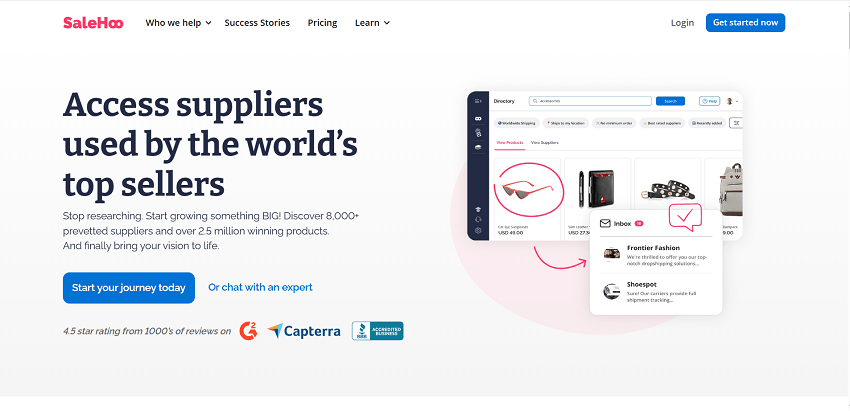
SaleHoo works more like a supplier directory than a marketplace. It connects you with verified wholesale and dropshipping suppliers worldwide.
🔍Best for: Long-term supplier relationships; Wholesale sourcing
Pros
- Verified suppliers
- Training resources
- Wholesale access
Cons
Requires manual supplier communication
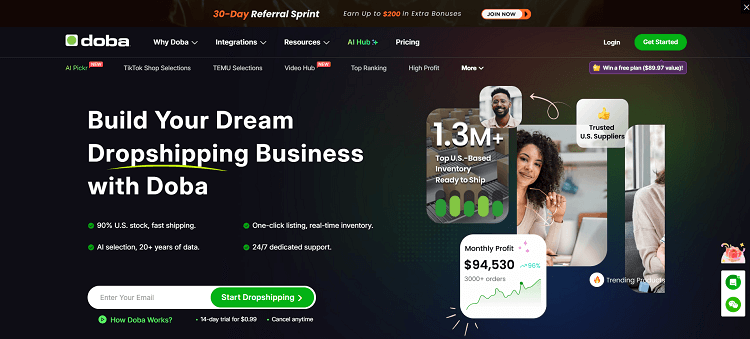
✨Doba
Doba aggregates products from multiple suppliers into one platform, so you can manage everything from a single dashboard.
🔍Best for: Beginners; Multi-supplier sourcing
Pros
- Large catalog
- Centralized system
- Easy product import
Cons
A monthly subscription can be costly
At the end of the day, there's no one-size-fits-all alternative to AliExpress. Each platform has its own strengths, whether it's speed, automation, or supplier quality. The key is to choose the one that aligns with your business stage and long-term goals - so you can build a store that’s not just profitable, but sustainable.
Final thoughts
AliExpress is still a solid starting point, but it's no longer your only option. As customer expectations rise, things like faster shipping, dependable suppliers, and efficient automation aren't just nice to have- they're essential if you want to grow long term.
If you're after an all-in-one fulfillment solution, Flowpallet stands out with its mix of vetted suppliers, inventory control, global shipping, and 3PL support. For sellers who value automation, Zendrop and AutoDS are strong picks. Meanwhile, Spocket and CJdropshipping are great if your focus is on faster delivery and flexible product sourcing.
In the end, the right alternative comes down to your business goals. Take time to compare shipping speed, supplier reliability, automation features, and pricing before making the switch. Choosing the right platform now can save you time, improve customer experience, and set your store up for faster growth. Good luck~
